Bringing vibrant spring weather in the shoulder season before the onslaught of summer crowds, mid-April was the perfect time to spend a few days in Montenegro. We flew into Dubrovnik and rented a car from the airport, which is actually about the same distance as flying into Montenegro’s capital city, Podgorica, but provides a much more scenic and interesting drive (this is a drive you’d want to do anyway as part of exploring the region). If you plan to rent a car, ensure your mobile coverage includes Montenegro or buy a reliable eSIM, because you’ll definitely need GPS/navigation (some European mobile plans cover Croatia but not Montenegro). Also note that rental car companies will charge you an extra fee for crossing the border (typically 50-80 euros) and provide you with documentation to show you paid the border fees in advance. Additionally, it’s important to check the traffic at the various border crossings before you map your route. We ended up utilizing the border crossing at the peninsula (Kobila – Vitaljina) rather than the more direct highway route, Debeli Brijeg; it only added about 10-15 minutes to the drive but we experienced zero traffic and thus zero headaches. Make sure you’ve got your passport: Montenegro isn’t in the EU, so you’ll notch a passport stamp both leaving and returning to Croatia.
Although many people visit the Bay of Kotor as a day trip from Dubrovnik, or just for one night, we had heard such good things about the area that we decided to spend four nights. We stayed in Dobrota, just slightly north of Kotor’s Old Town but still within walking distance of the harbor and useful amenities (supermarket, restaurants, etc.). We found better lodging options on Booking.com and were quite happy with this two-bedroom, top floor apartment with balcony which provided incredible views of Kotor.
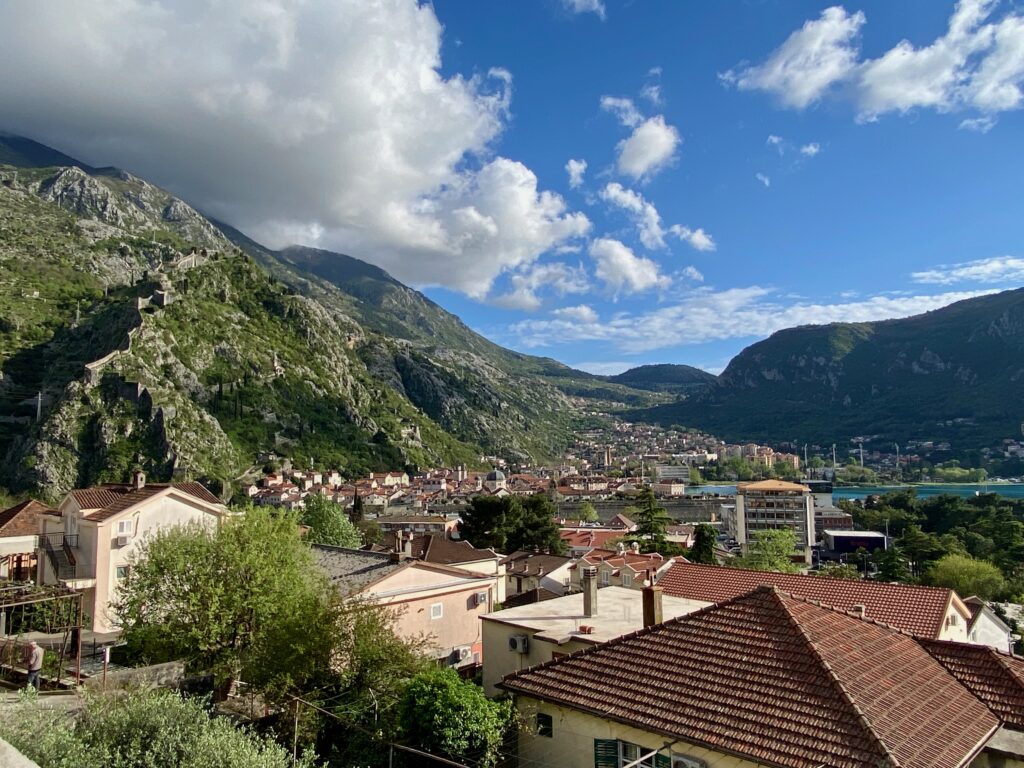
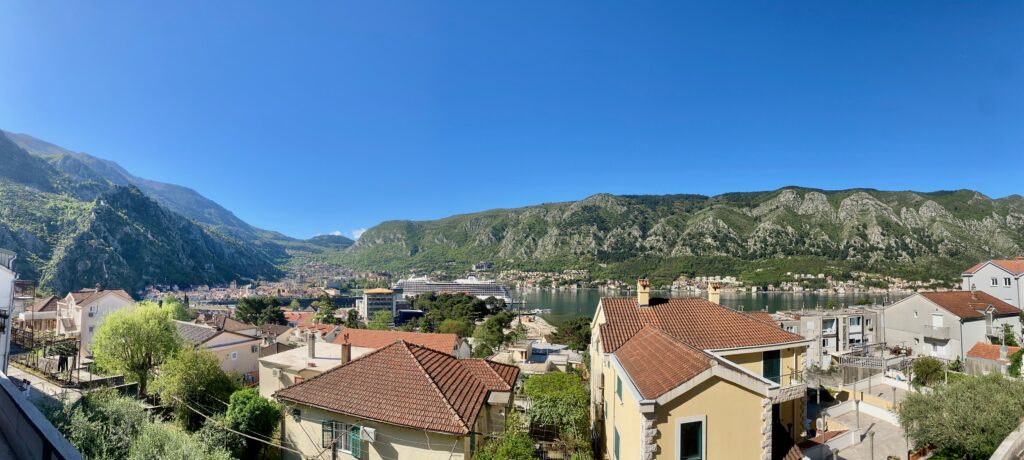
Although this part of Montenegro is sometimes done as a day trip from Dubrovnik, we enjoyed spending a few days there and going at a more leisurely pace. With several days in Kotor, here’s what we did:
Arrival Day (if driving from Dubrovnik): Drive around the Bay of Kotor
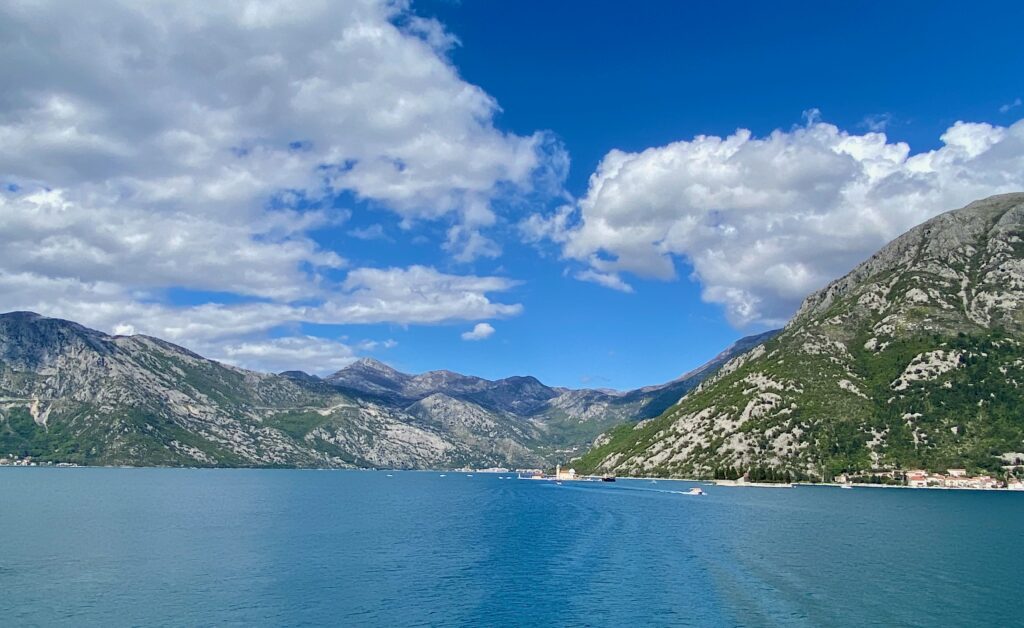
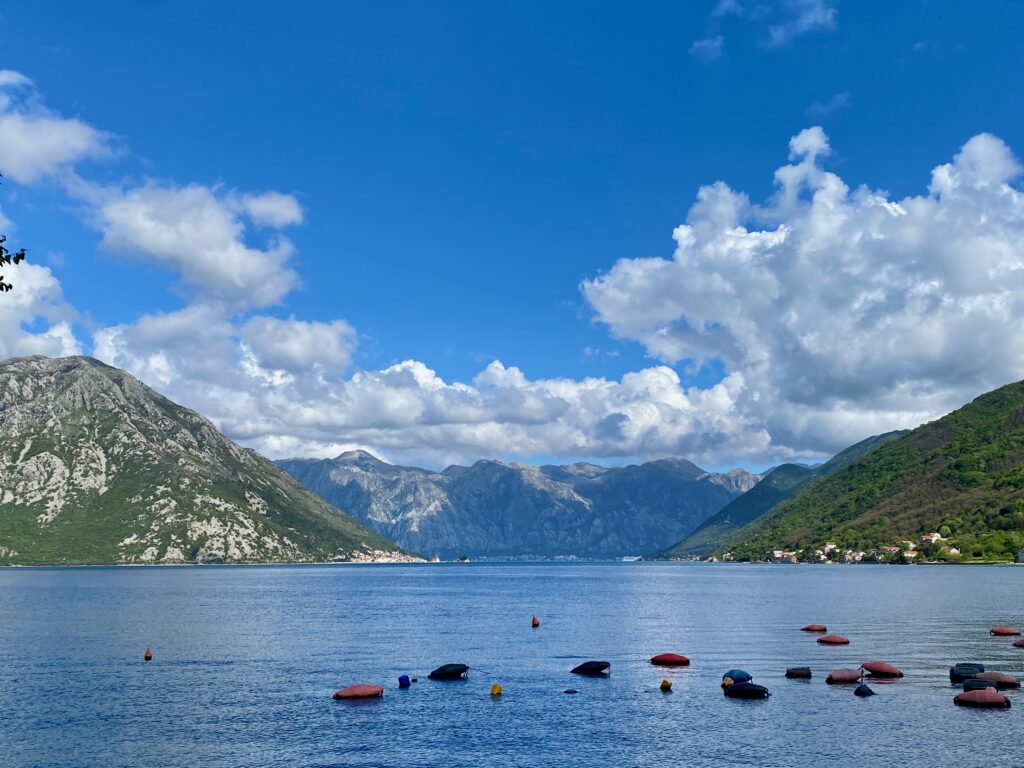
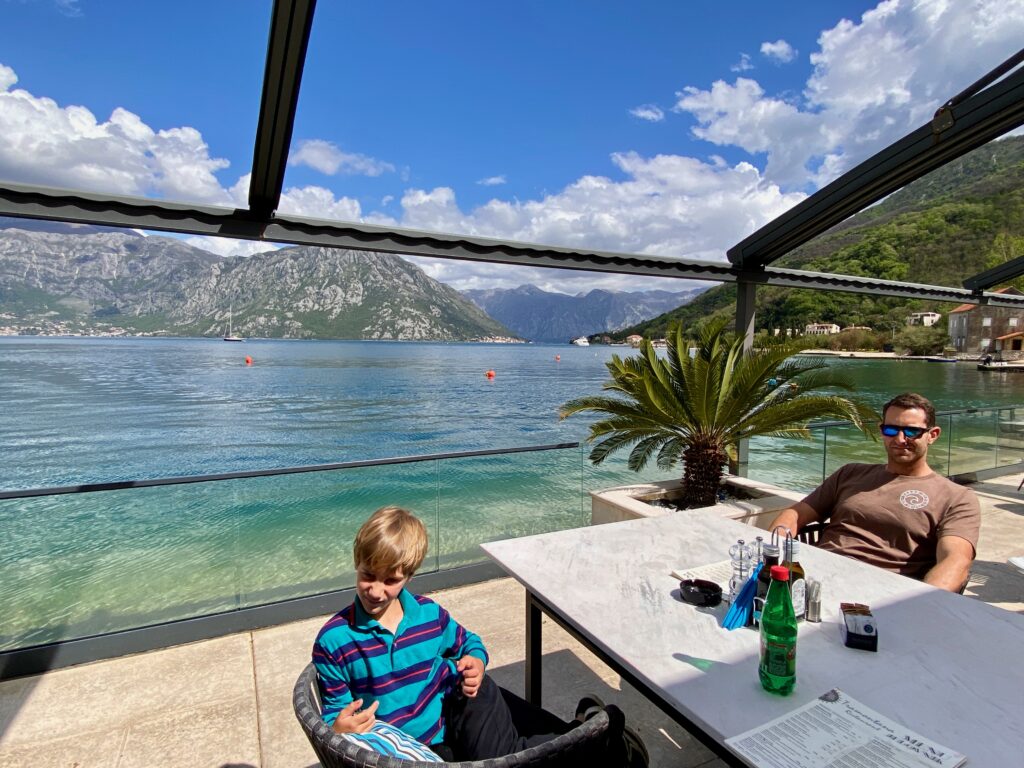
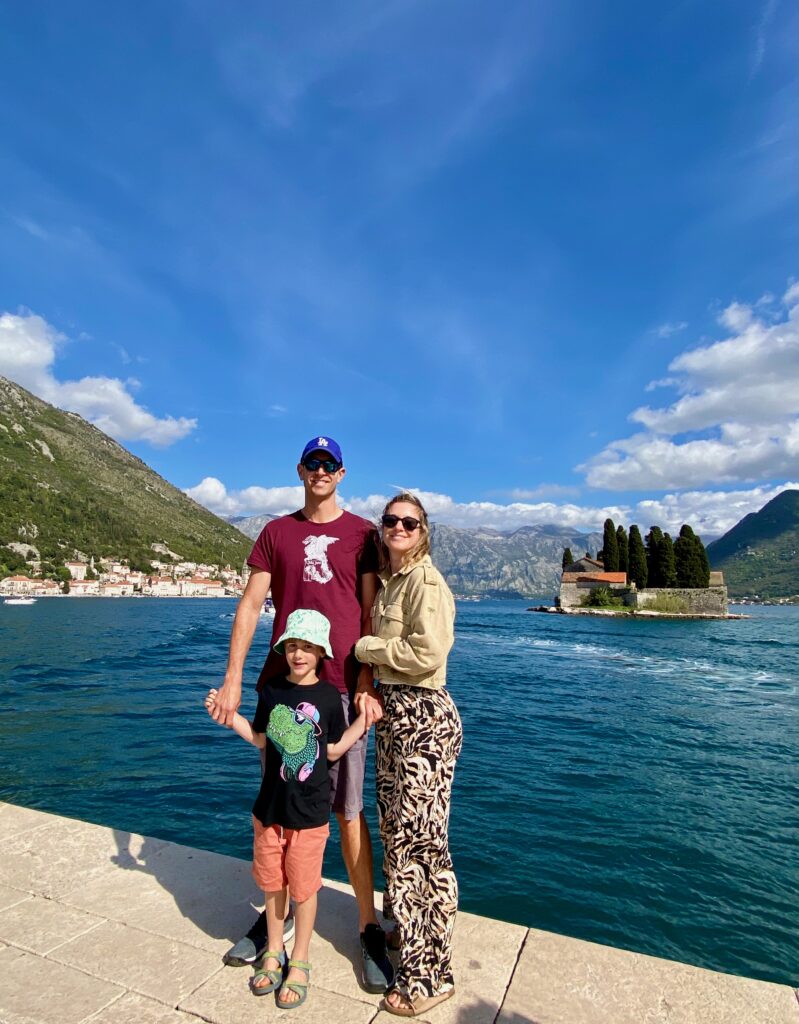
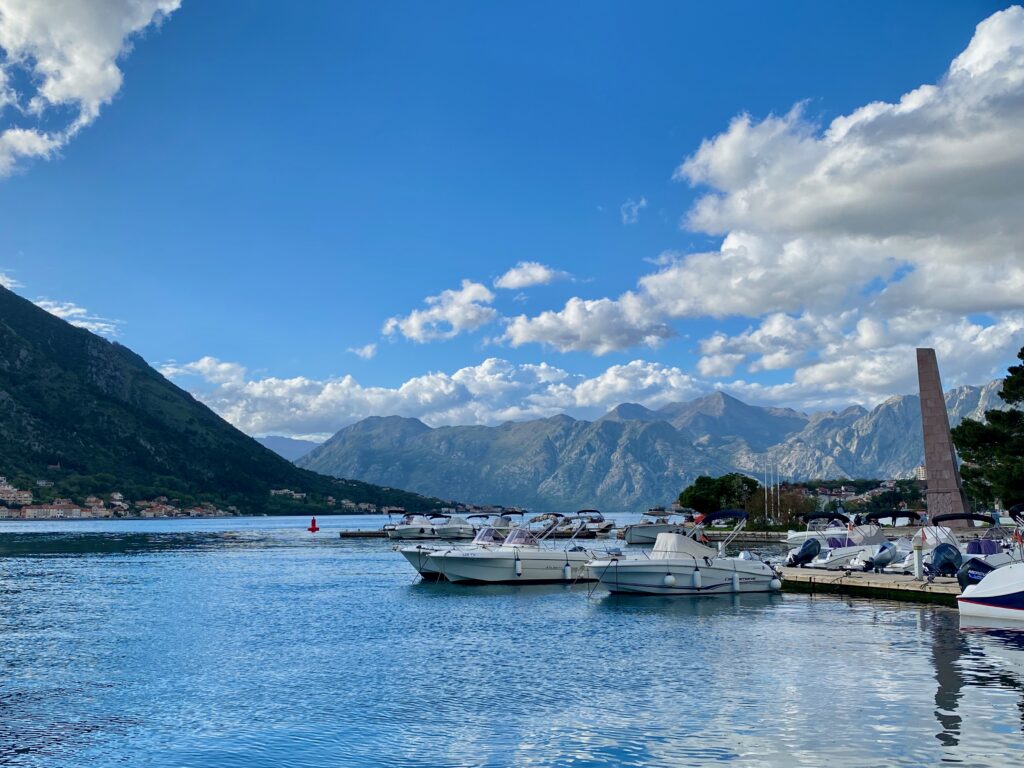
As you make your way along the coast, you’ll likely be enticed to pull over at various overlooks for photos. The fjord-like valleys framing the water are stunning and will remind some travelers of Bergen, Norway. We stopped for lunch at Tramontana Beach Bar in Morinj, which offers seaside views and an adjacent playground while you enjoy local cuisine (with a lot of Italian influences). Depending on the time of year and how crowded it might be, you can also stop in Perast, a historical town known for proximity to the islets of St. George and Our Lady of the Rocks in the middle of the bay.
Day 1: Old Town Kotor & a boat tour
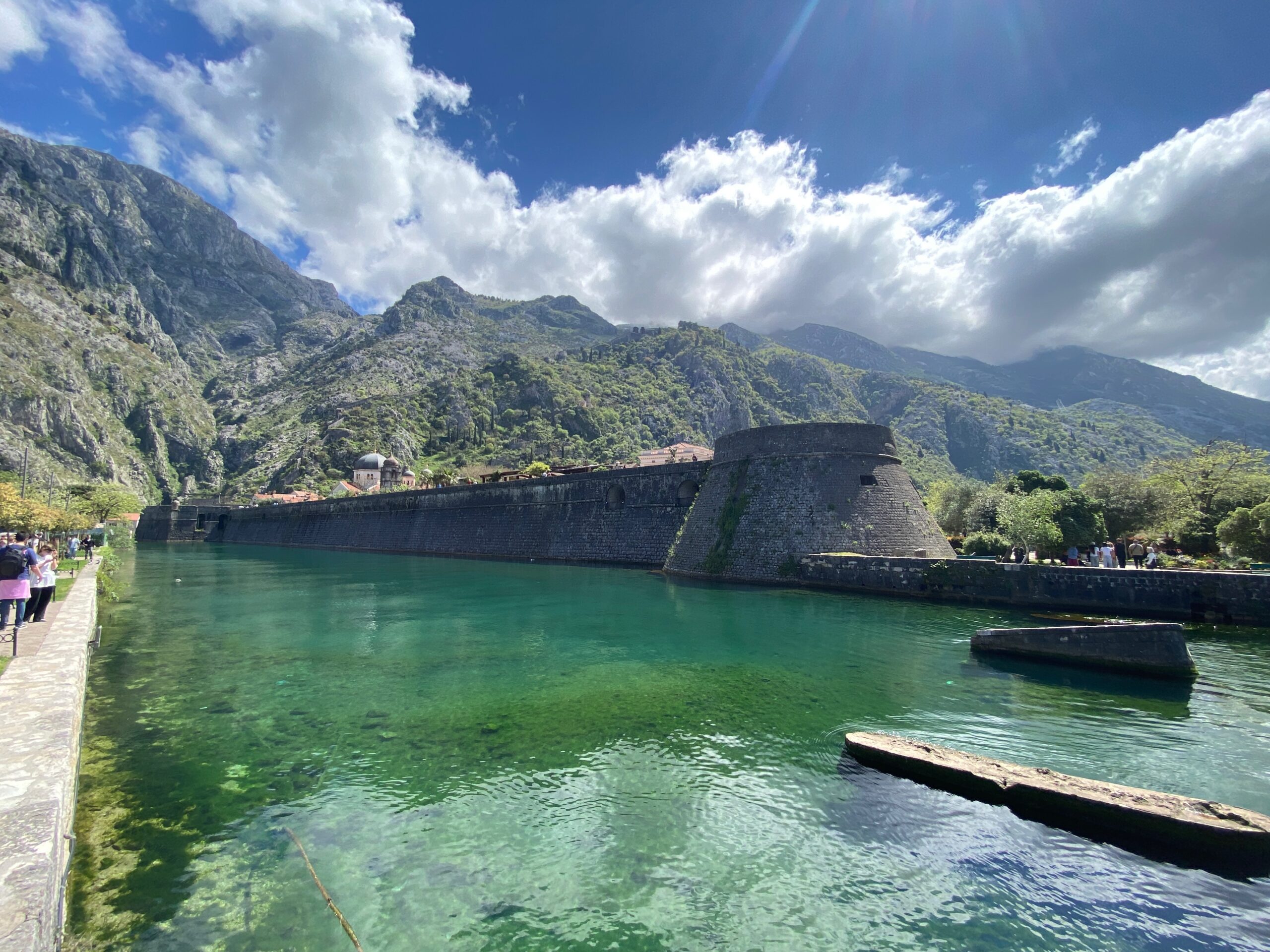
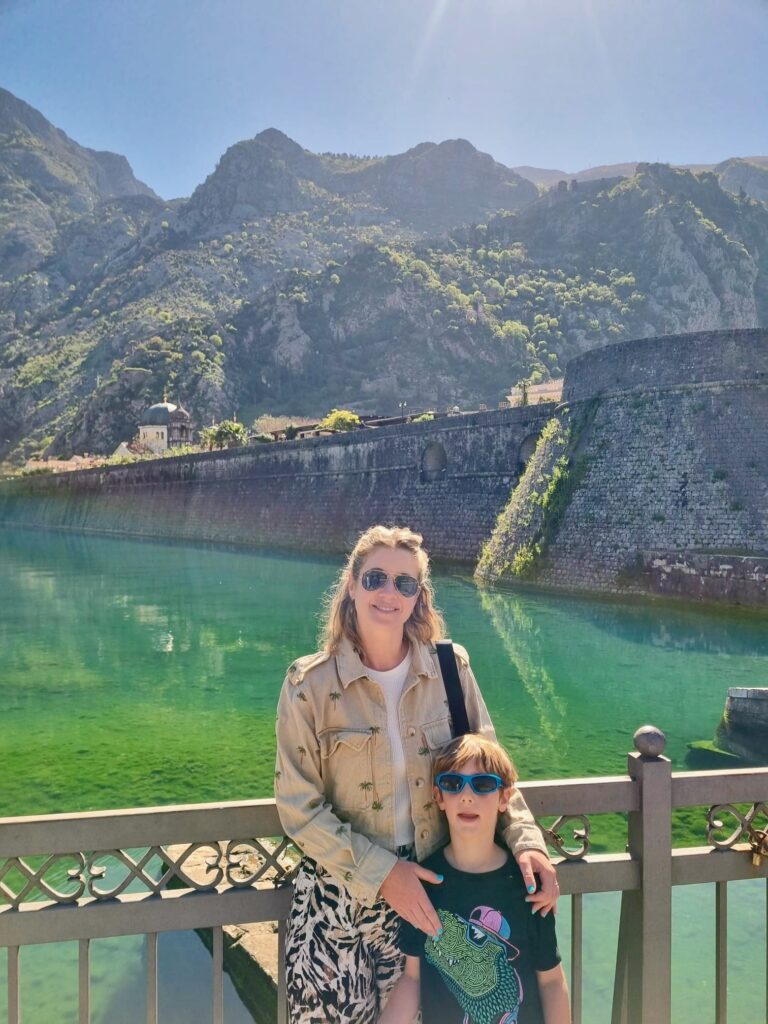
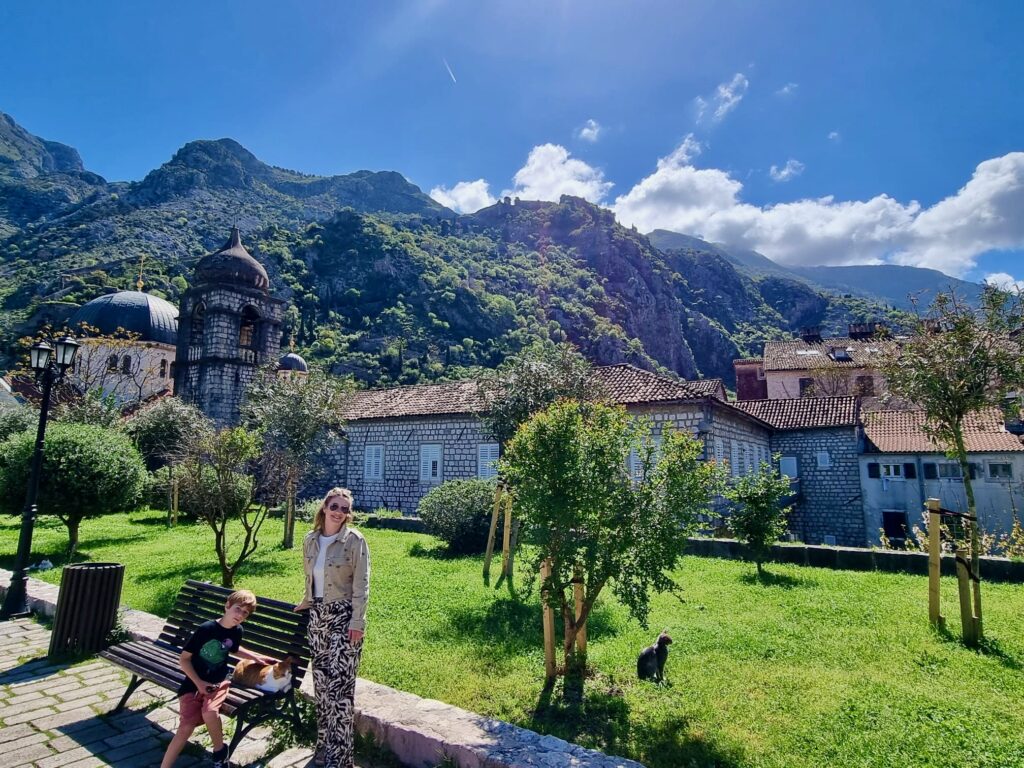
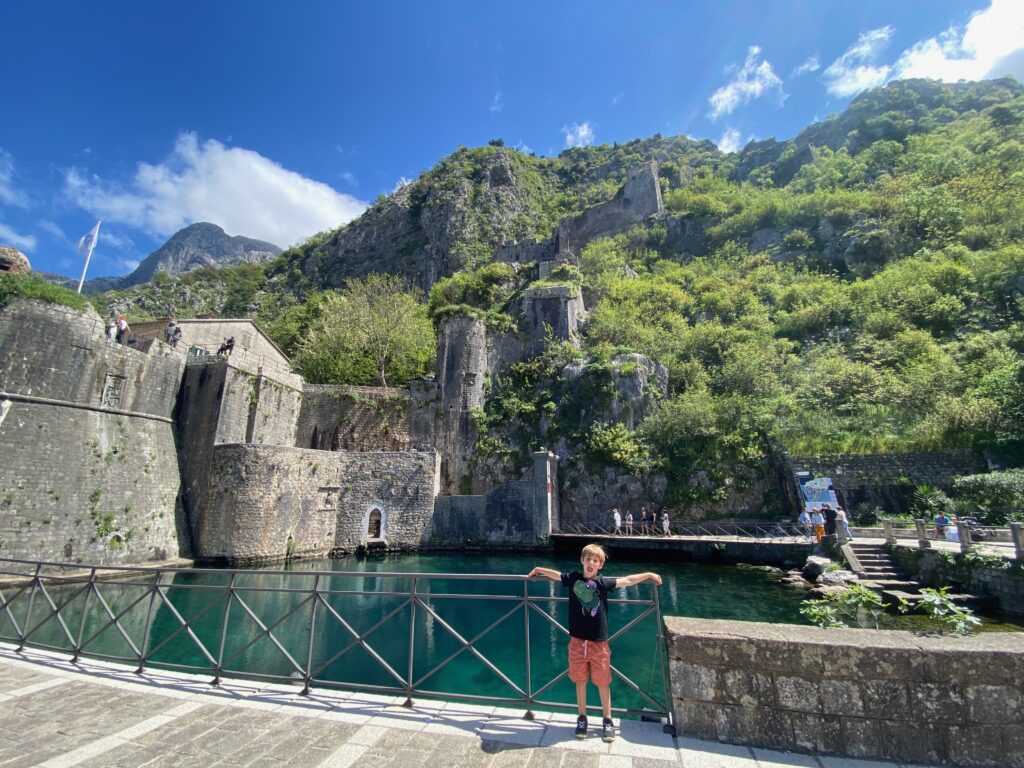
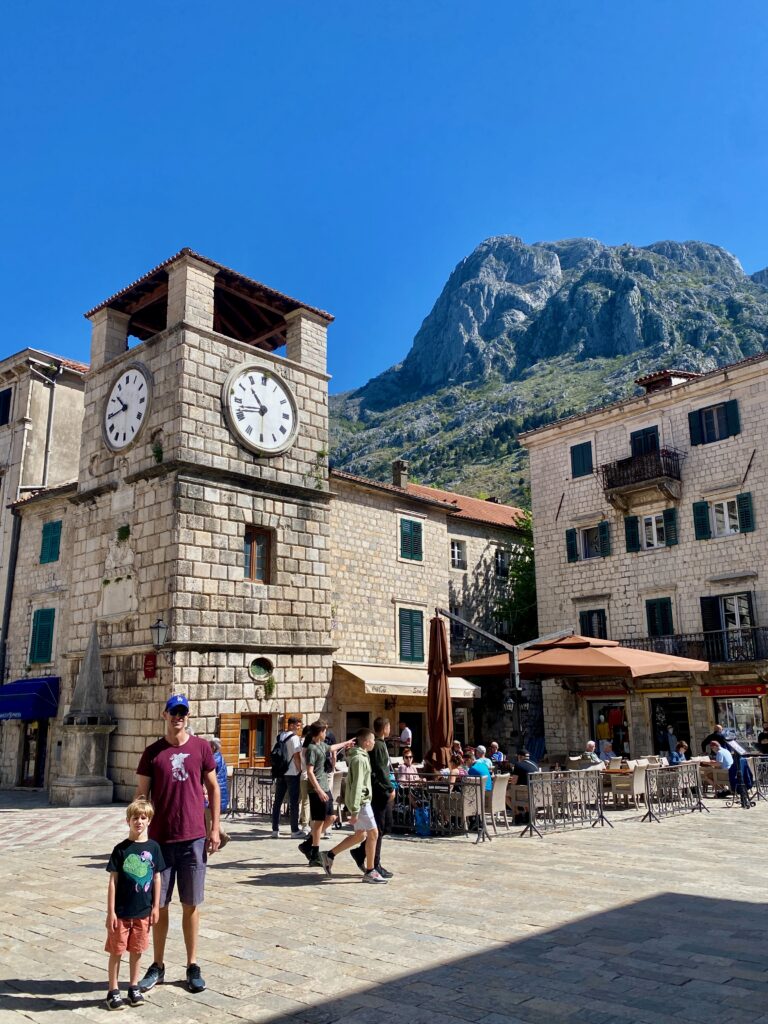
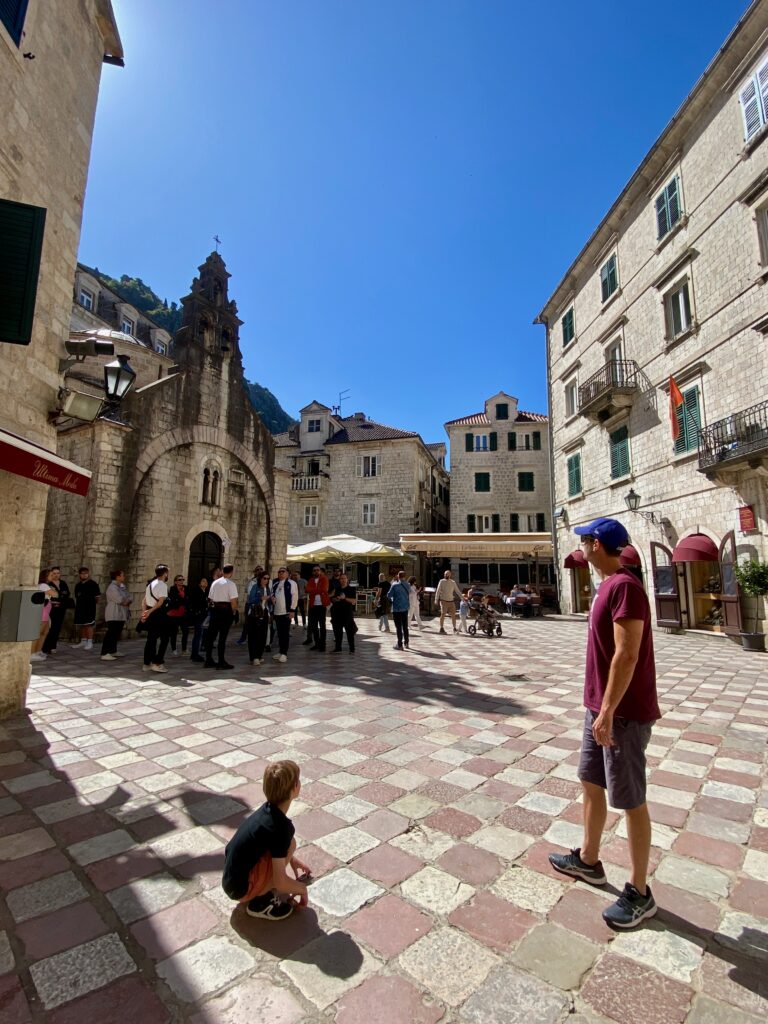
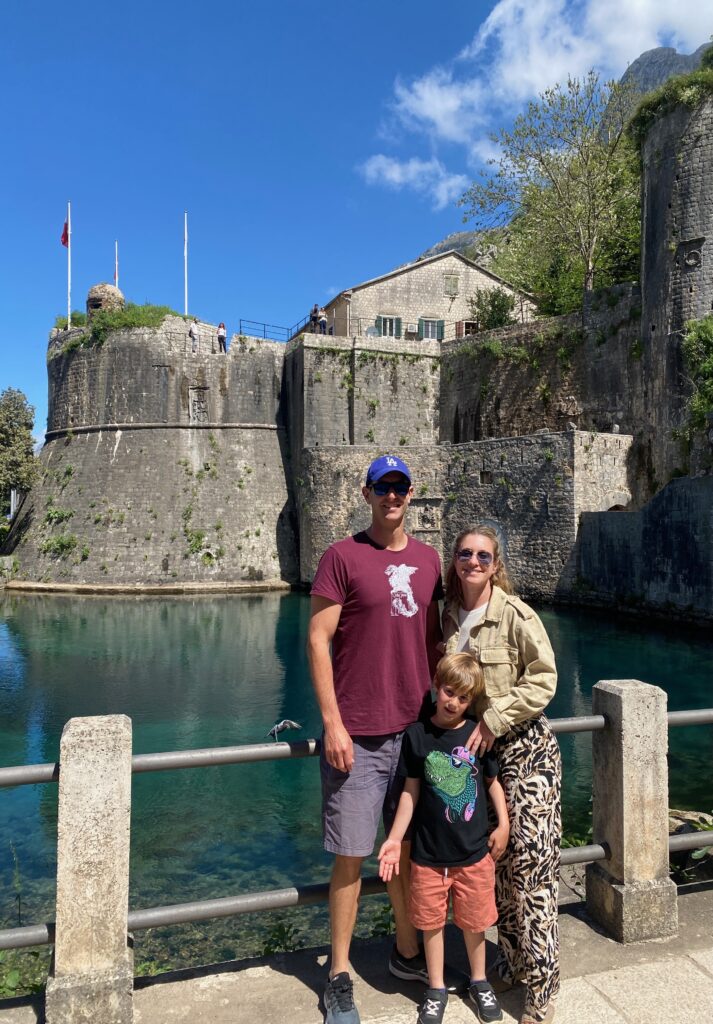
Kotor’s Old Town, framed by the medieval bastions and fortified wall scaling all the way up the mountain to protect the city, is laidback and easy to wander. We used the Rick Steves book to visit some of the key cathedrals and other Old Town sites. But I could see how a guided tour would also be interesting to provide more history and context: after all, Montenegro experienced centuries of foreign power and governance, so there are a lot of influences to understand, from the Illyrians to the Romans, Serbs, Venetians, Russians, Austrians, and most recently, being part of the former Yugoslavia. In the end, the Rick Steves’ Montenegro chapter within the Croatia and Slovenia guidebook provided a good, self-guided orientation for this trip.
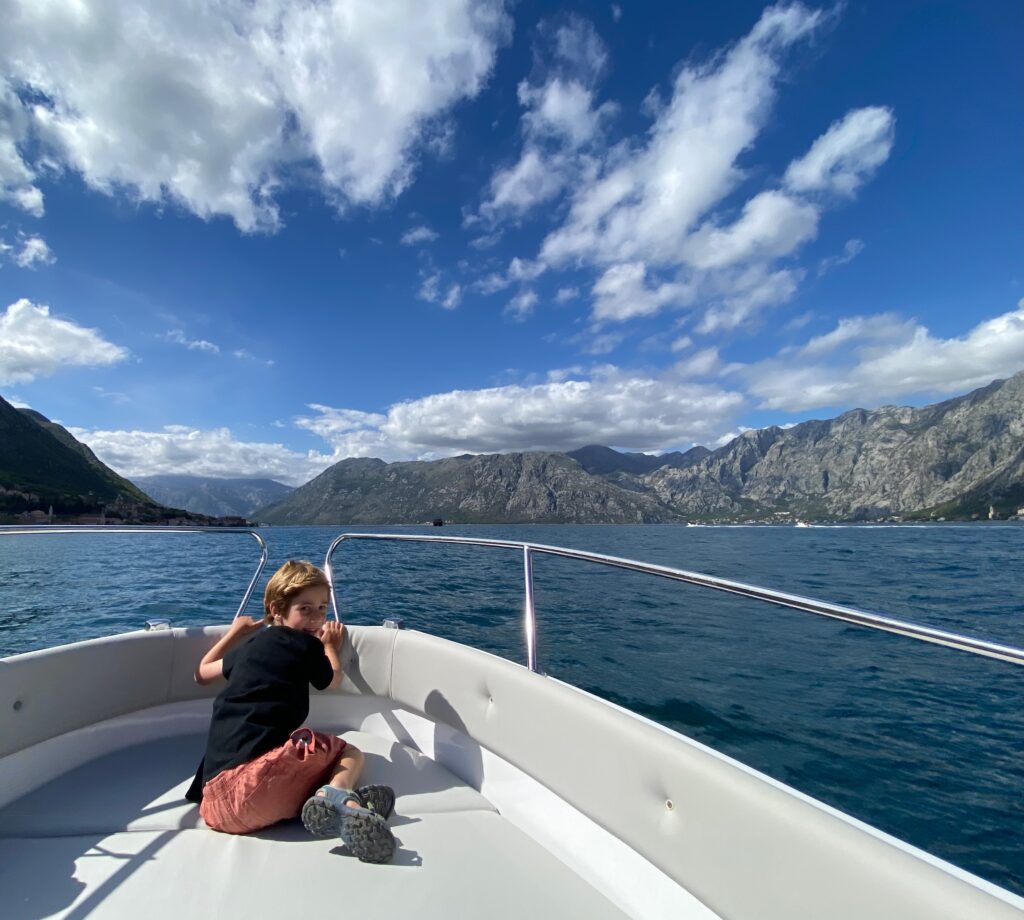
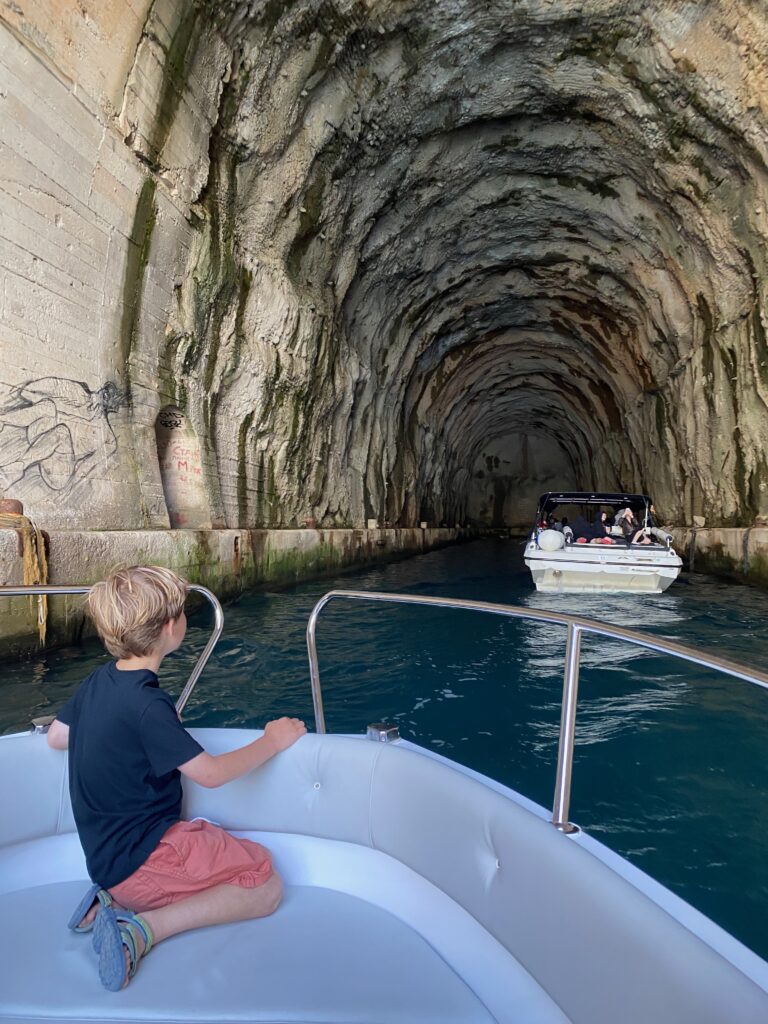
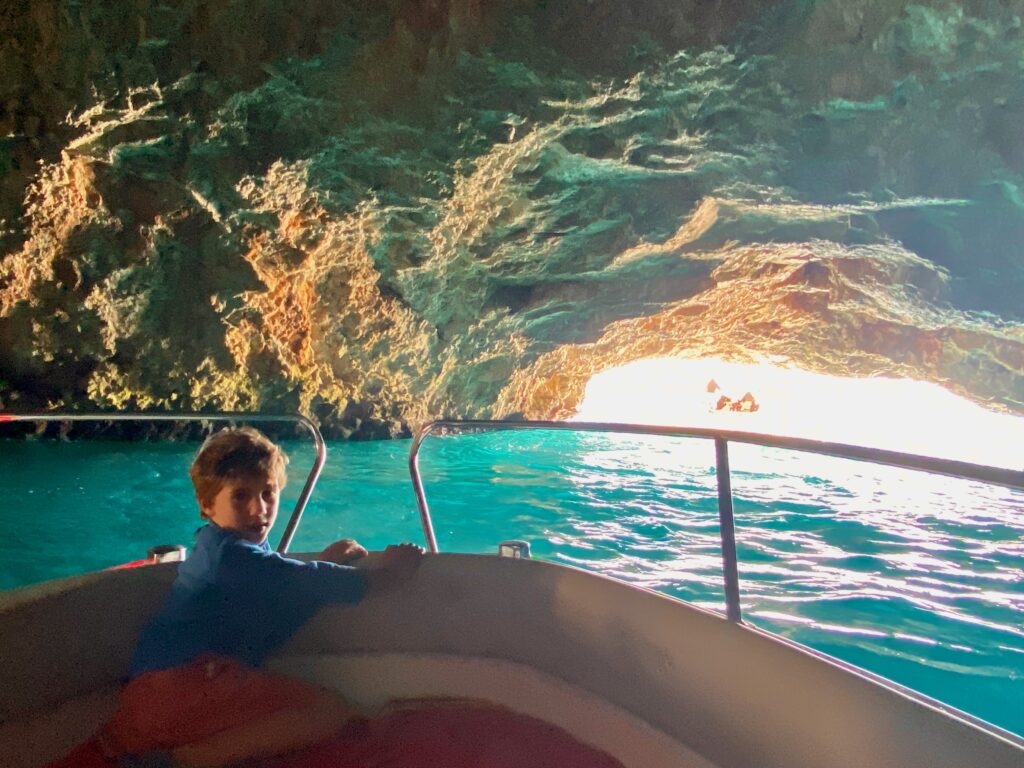
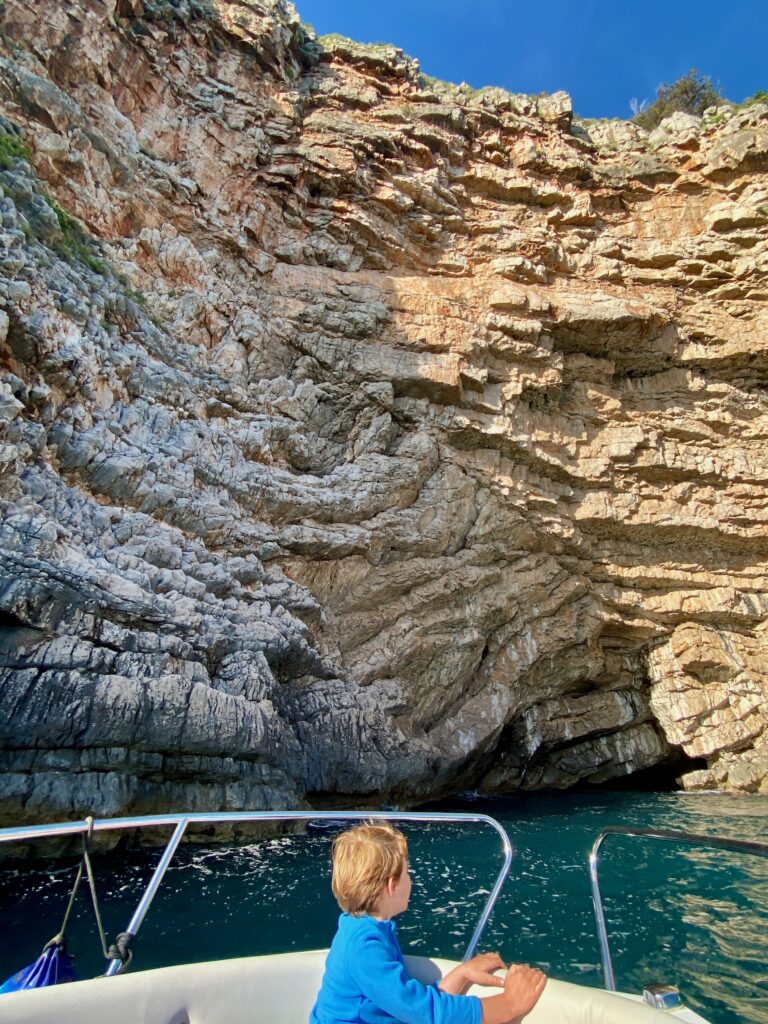
The Kotor highlight was a 3-hour boat tour of the bay, visiting a Yugoslavia-era submarine tunnel, two islets, and the Blue Cave along the Adriatic. But Jacob only cared about going as fast as possible in the speedboat, and the driver was happy to oblige!
Day 2: Mountain Drive Inland
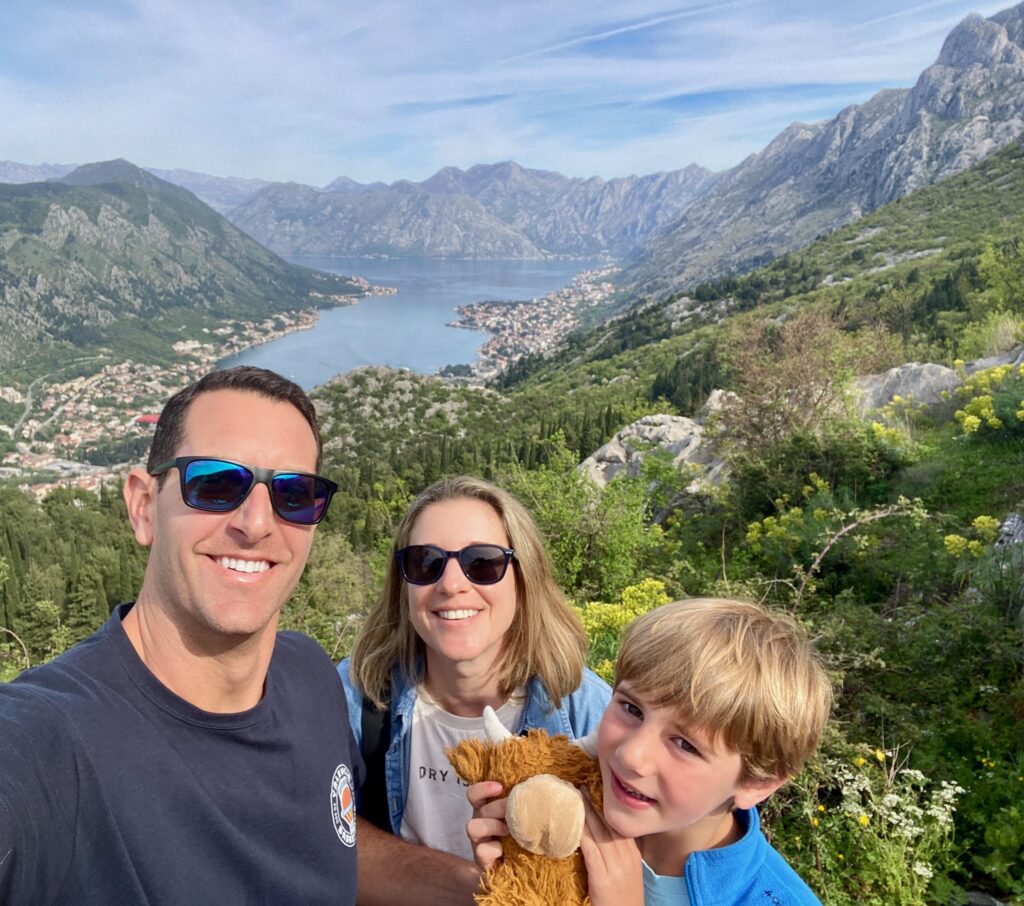
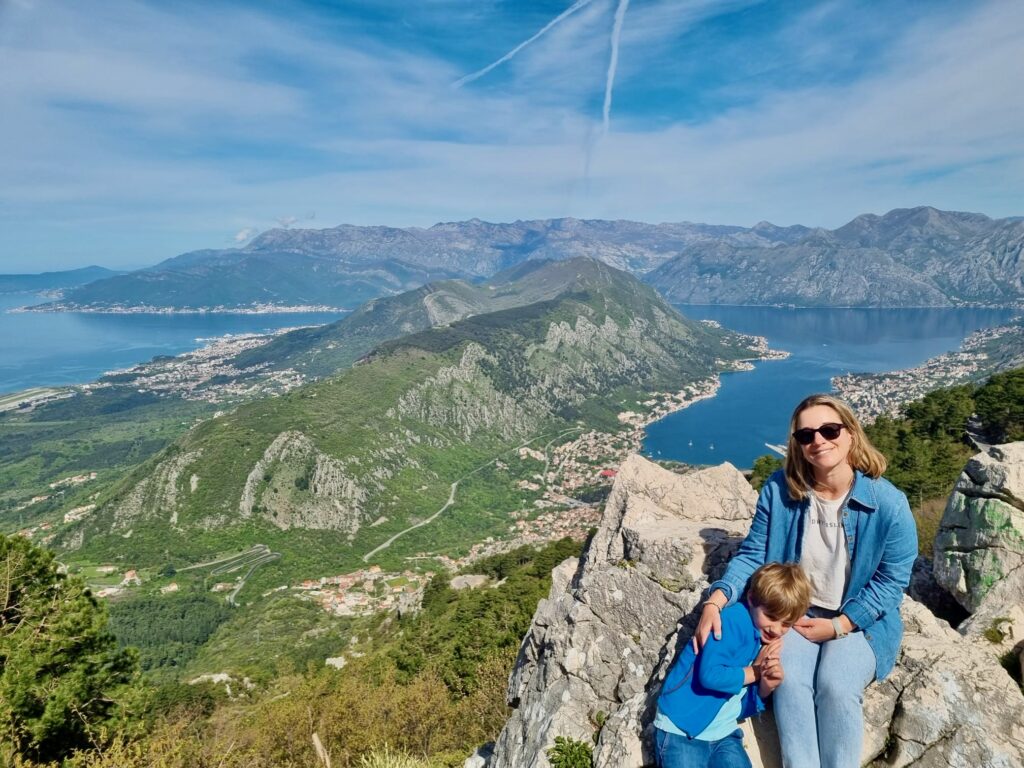
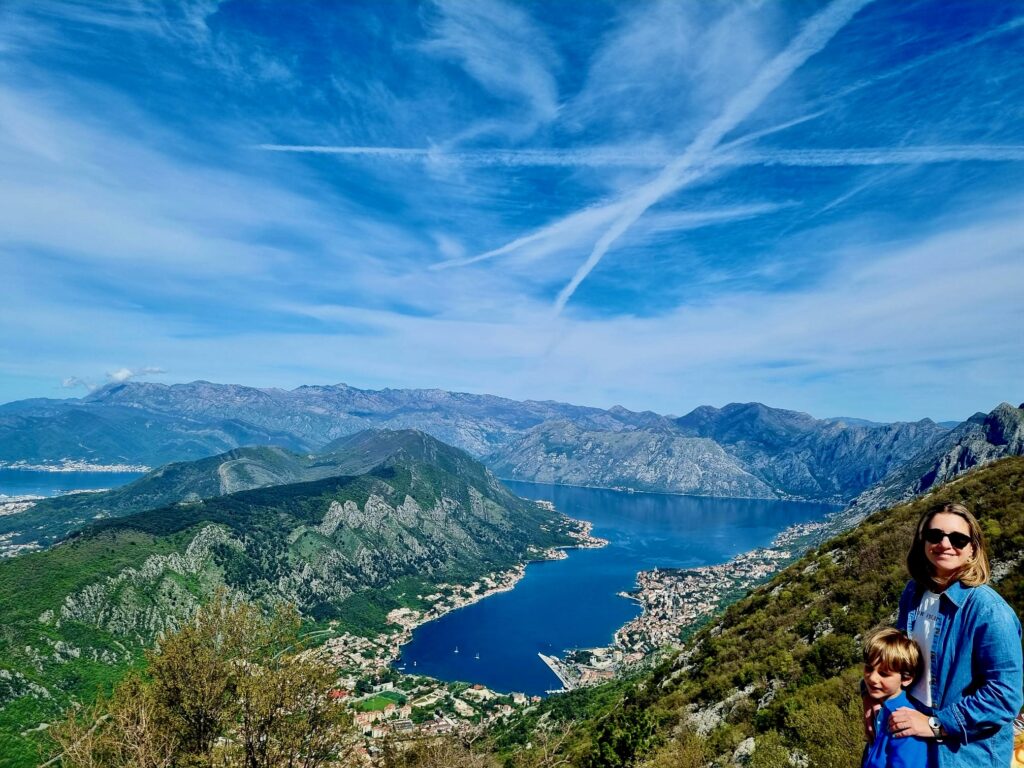
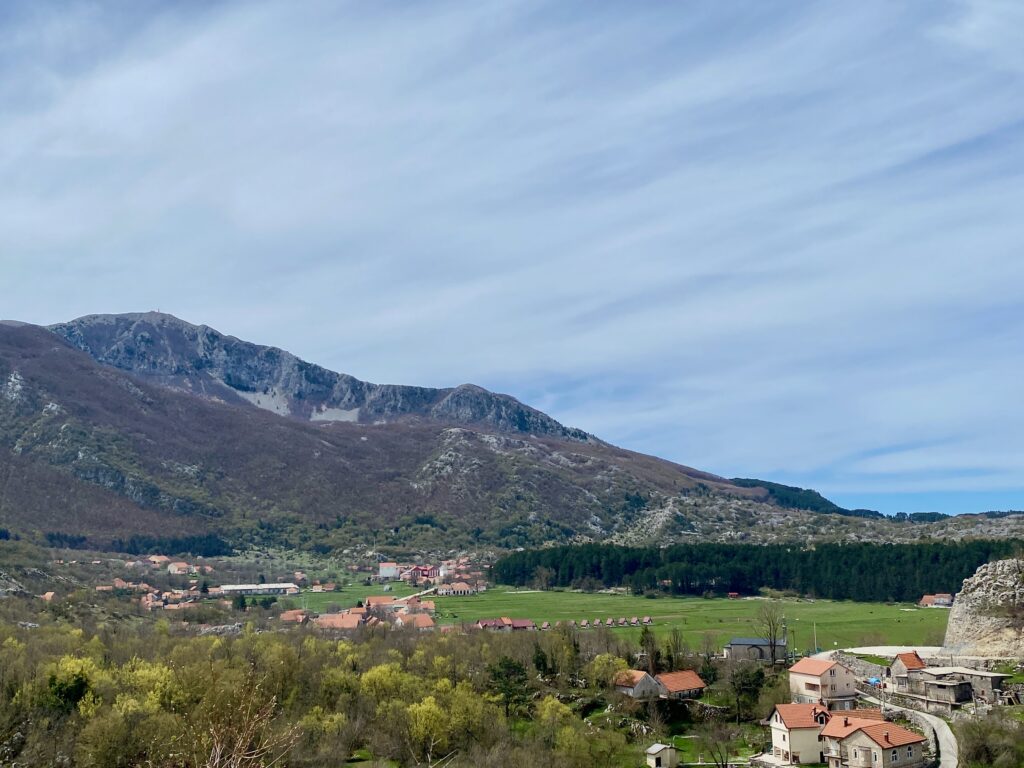
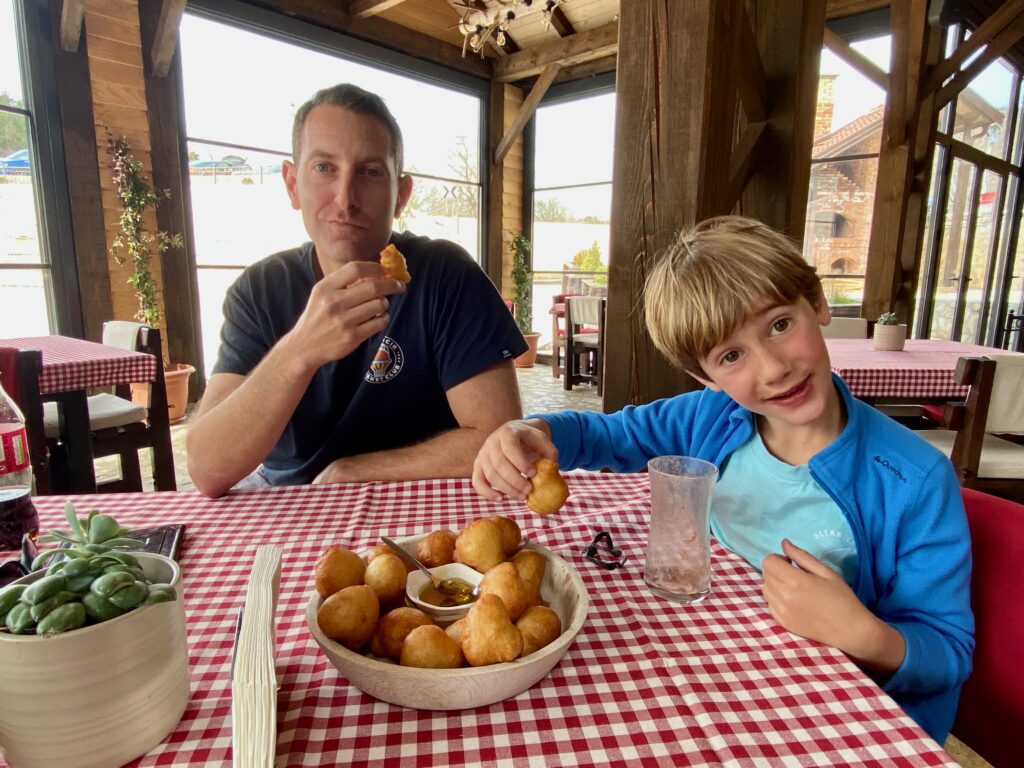
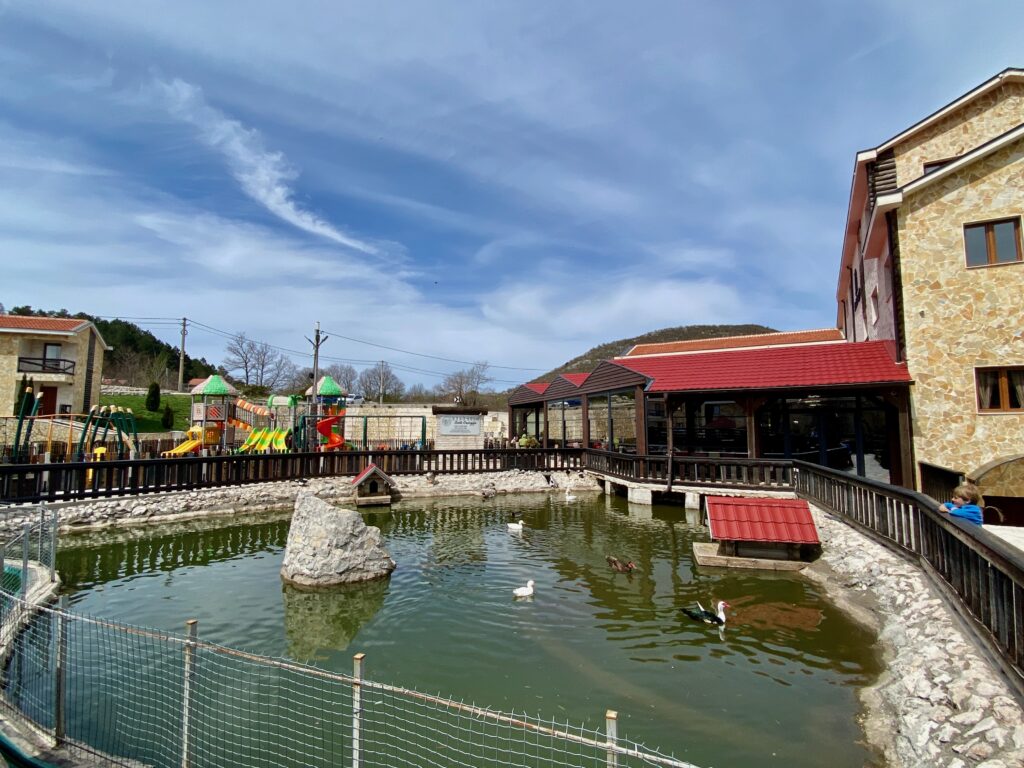
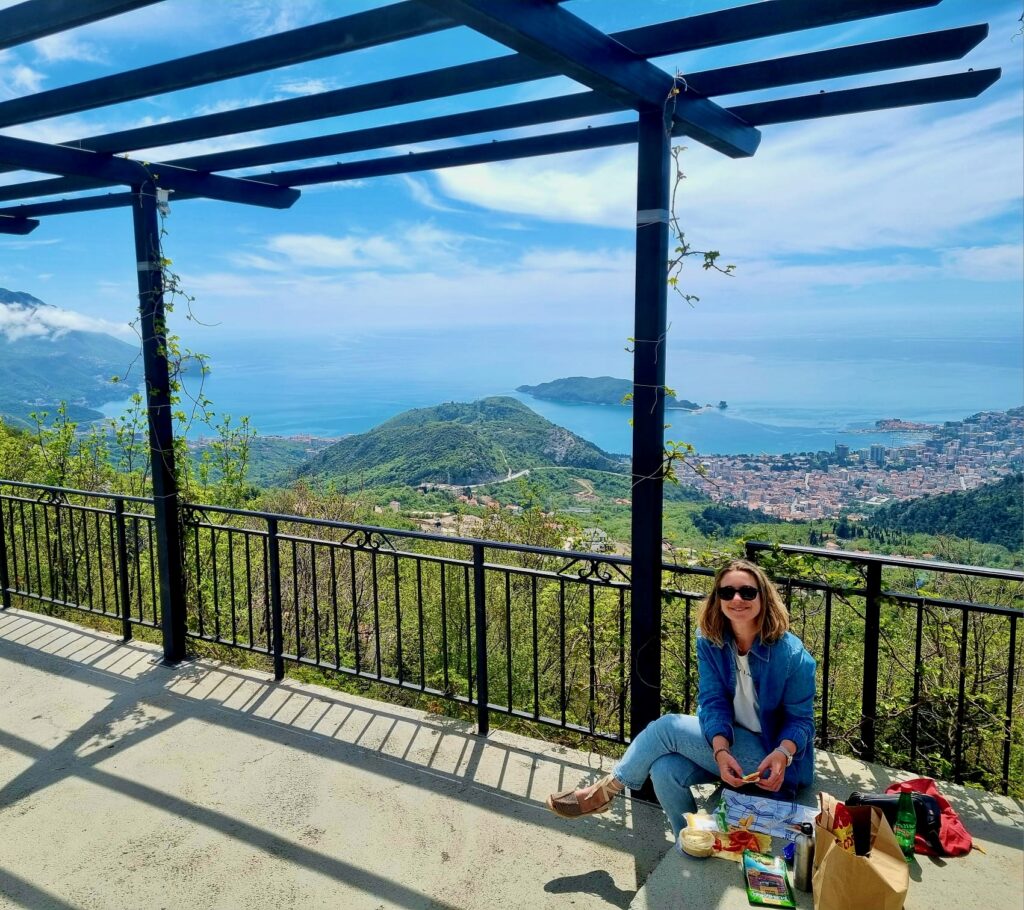
We spent a day exploring the Montenegrin interior, with captivating views on a 21-switchback road up into the mountains and sparsely populated, moon-like cratered and rocky landscapes as we drove further inland. On this route you pass through the village of Njeguši, which is known for its smoked ham. This is where we sampled this dried, smoked prosciutto known as Njeguski prsut, some local sheep cheese, and honey-soaked jarred figs from farm stands (a lot of pointing, gesturing, and smiling, as the proprietor didn’t speak English and I only had a few Montengrin words under my belt!), as well as “priganice” (fried dough balls served with honey or cheese) at a small family hotel with playground along the road (Etno Selo Sveti Georgije). This day trip can be done in a just a few hours even going at a relaxed pace, and felt like a slice of the more off-the-beaten-path Montenegro.
Day 3: Beach Time (or drive around the Bay of Kotor if you didn’t have time upon arrival)
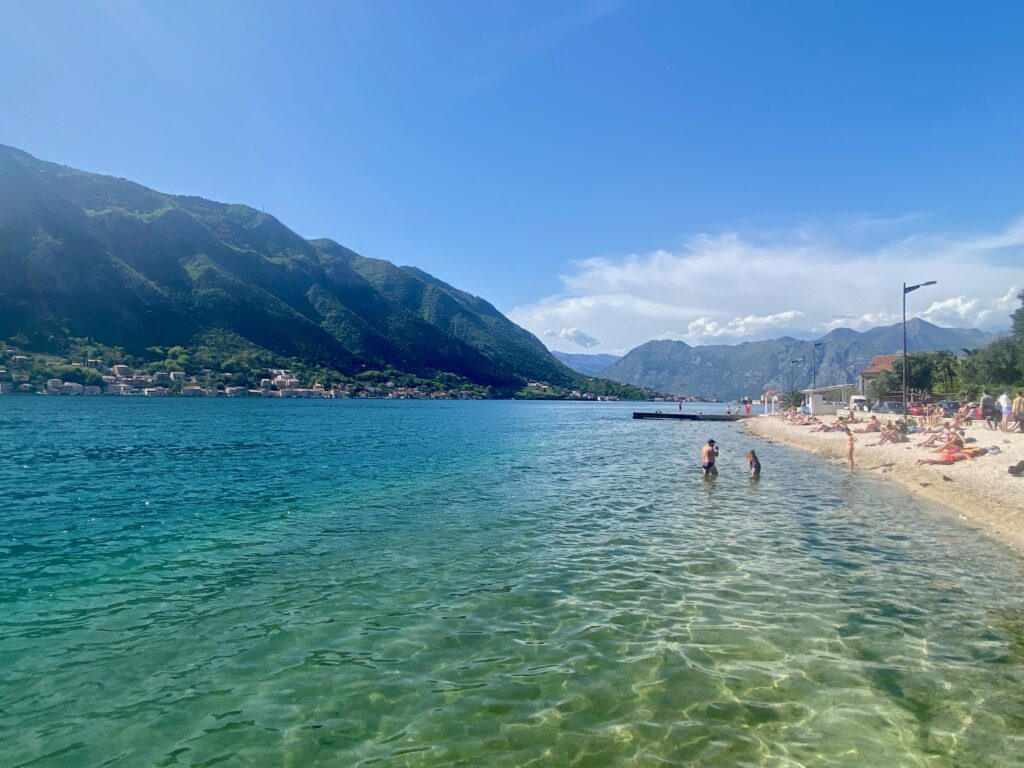
As you might already know, Montenegro’s beaches (like Croatia’s) are pebbly and rocky, so bring reliable waterproof sandals. In mid-April it was too cold to swim for long, though Dave and Jacob took a quick plunge anyway. In the hot summer months, I’d imagine visitors would enjoy at least one beach day in Kotor or at another coastal cove around the meandering Bay of Kotor.
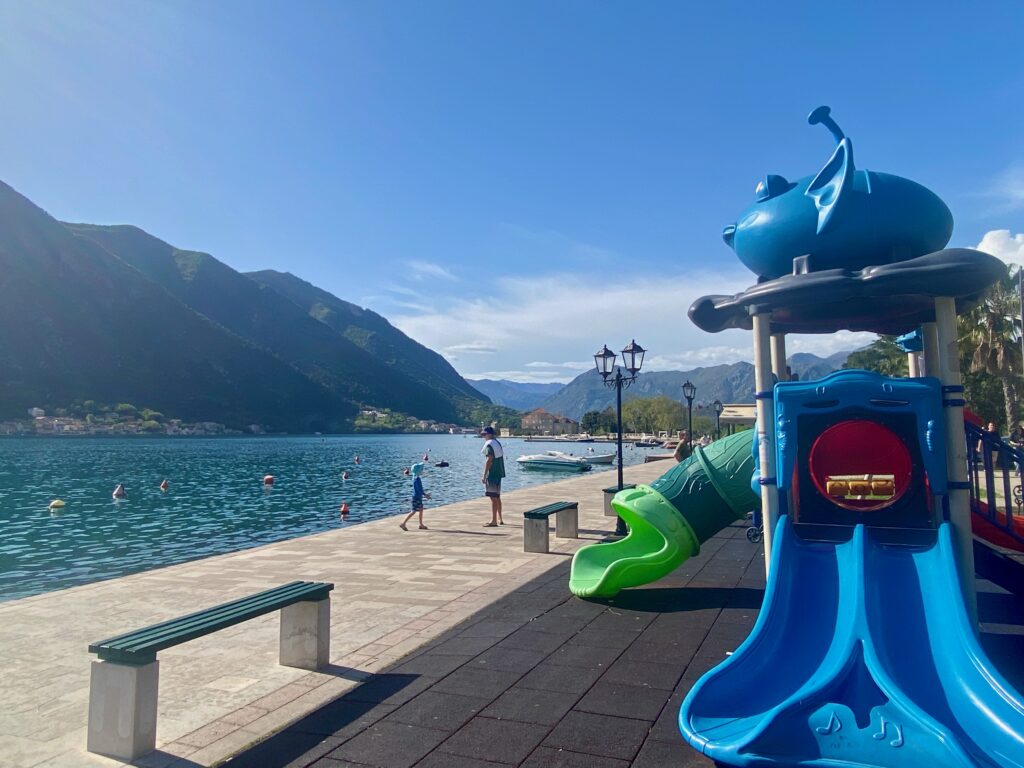
For lunches in Kotor, we found a friendly, Balkan-inspired sandwich and salad spot, Sandwich XL, with delicious local ingredients. For dinner, there are a number of harbor-side restaurants, including a few next to a playground right on the water (best not to eat in the Old Town, as most of those restaurants are overpriced and touristy). The pedestrian-only promenade is nice to stroll along as the sun goes down over the mountains.
We really enjoyed Montenegro!