Our last stop on this summer’s month-long road trip, we spent 10 days exploring the Transylvania region of Romania, which in some more dramatic mountaineous areas reminded us of the Dolomites in northern Italy.
The Old Towns in Brasov and Sibiu are extremely charming and well-preserved, particularly Sibiu, due to a significant German Saxon population with roots and interests in maintaining its history (even as Communist-style housing blocks cropped up on the outskirts).
Itinerary highlights of our time in Transylvania included:
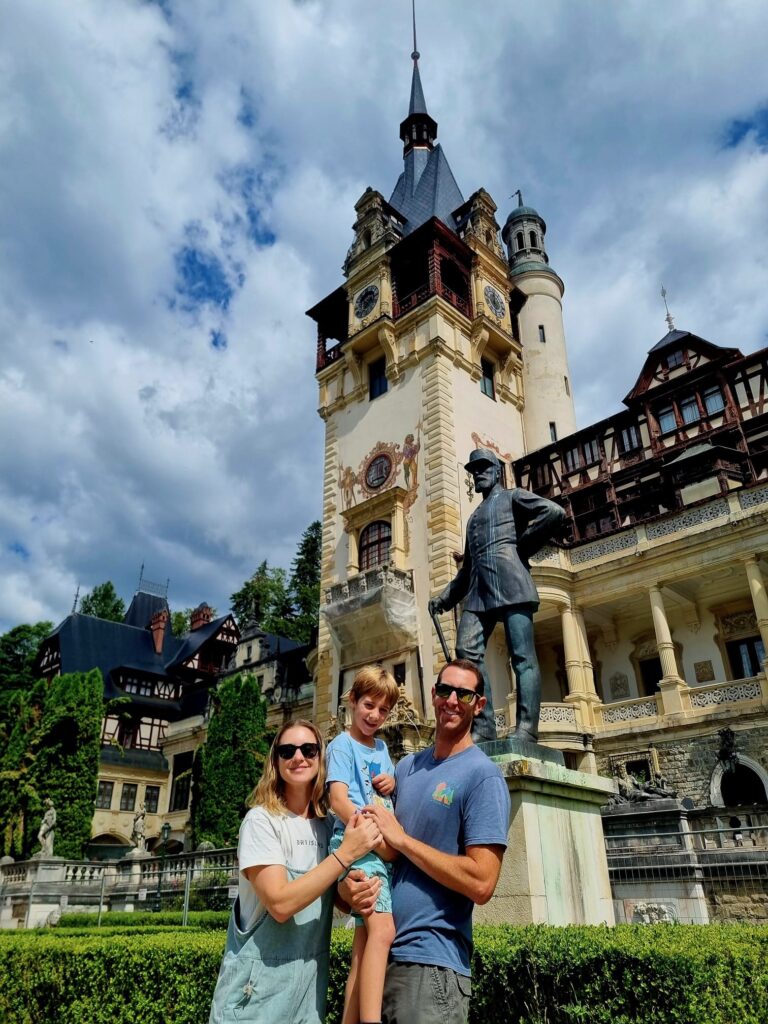
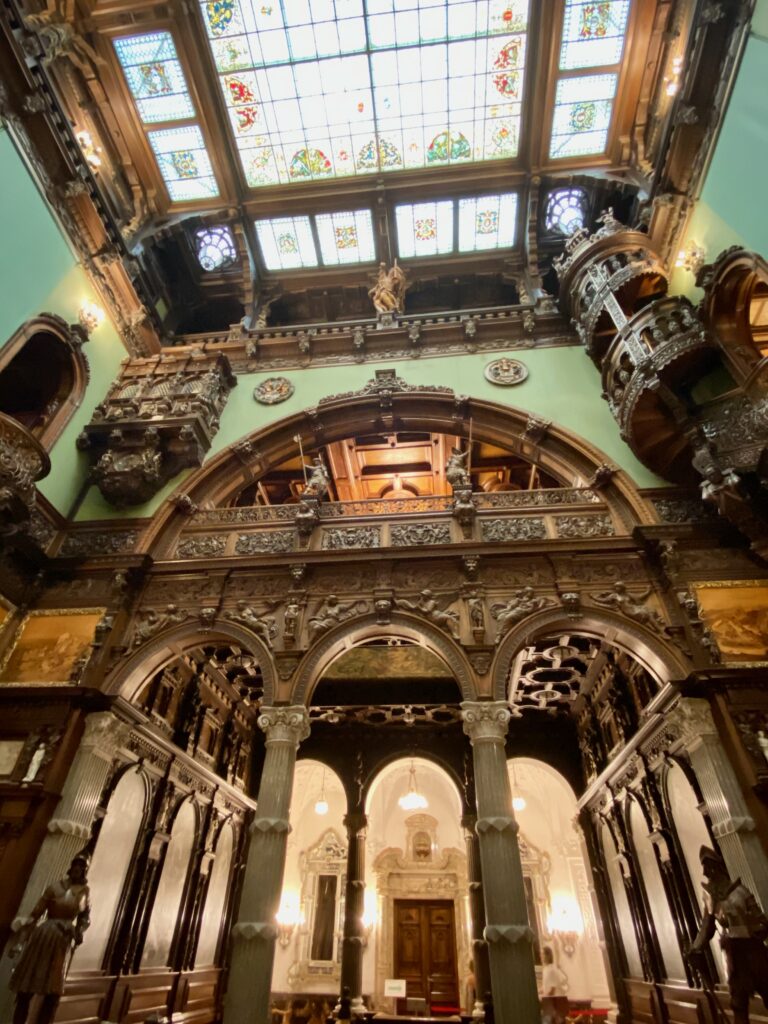
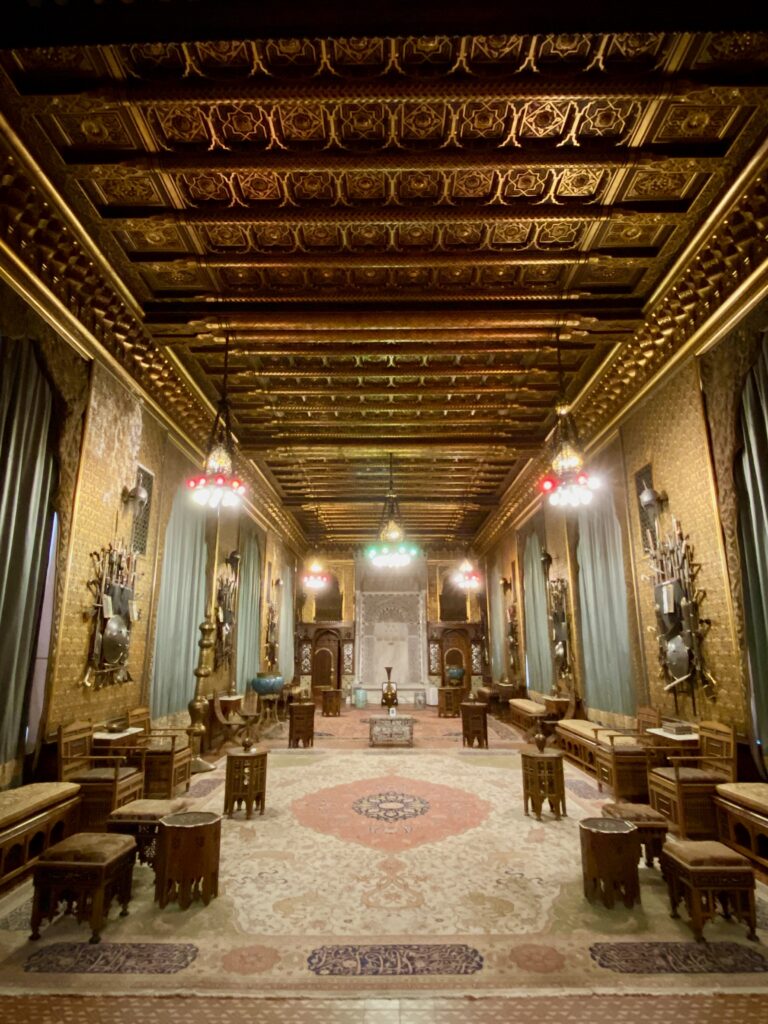
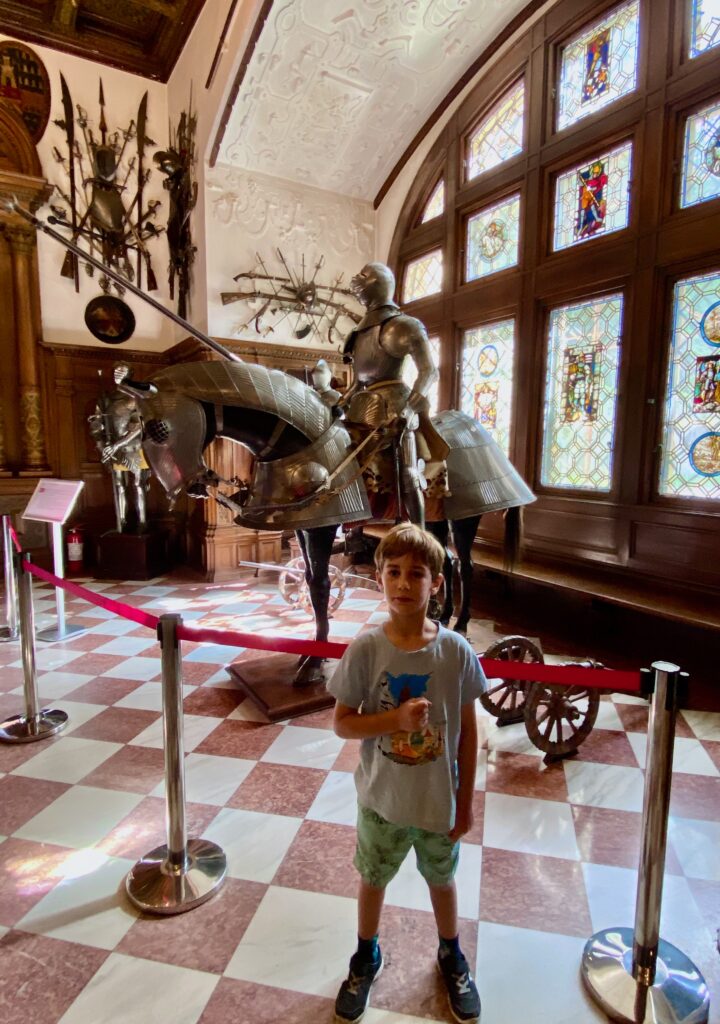
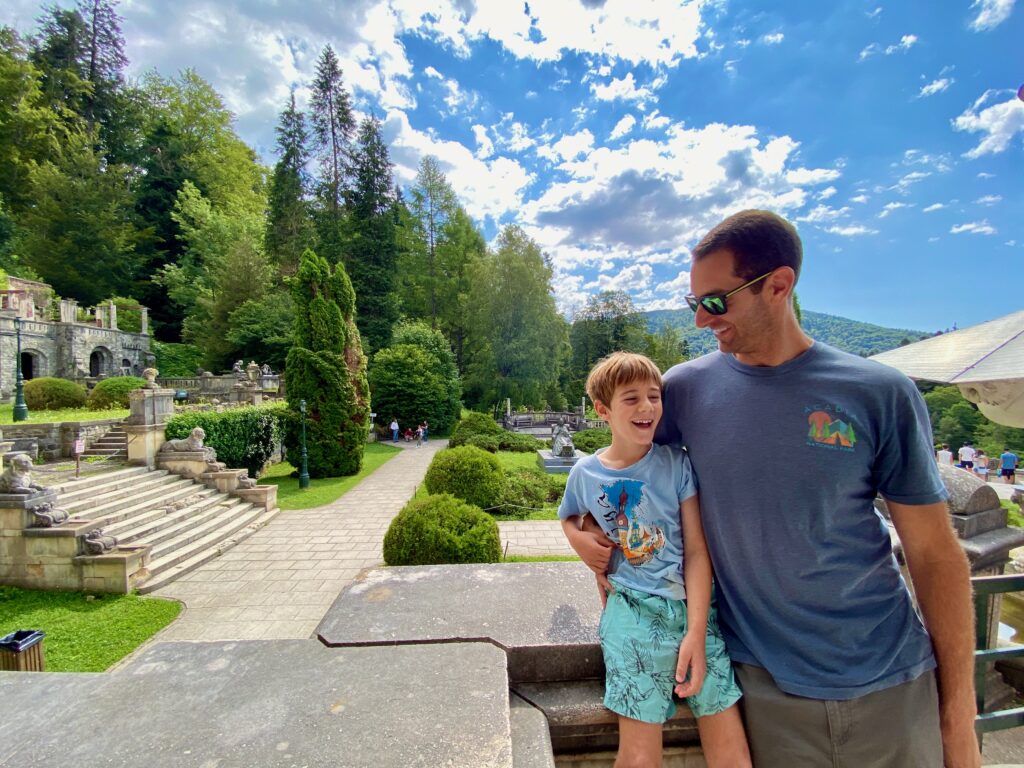
- Peles Castle: on the drive from Bucharest to Brasov, this was the 19th century summer residence of King Carol I and Queen Elisabeth. It’s not your typical Romanian palace, since it was in the German Neo-Renaissance style (Carol came from Germany). You’ll most be drawn to the intricate woodworking in the main hall and on several ceilings, as well as glimpses of Italian, French, Moorish, and Turkish influenced architectural styles incorporated in rooms throughout the palace. This castle was one of the best we’ve seen in Europe: ornate, eclectic, and certainly more impressive than Bran Castle (the so-called Dracula Castle, but more touristy than historic at this point). If you have to pick one, definitely go to Peles Castle (with advanced planning).
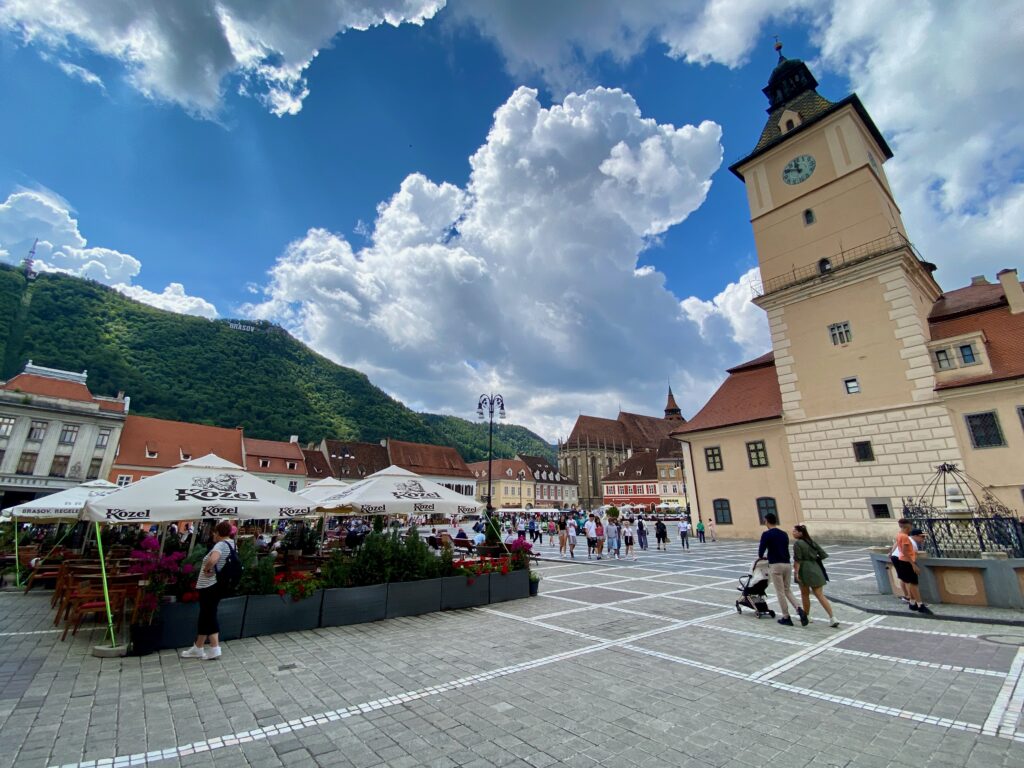
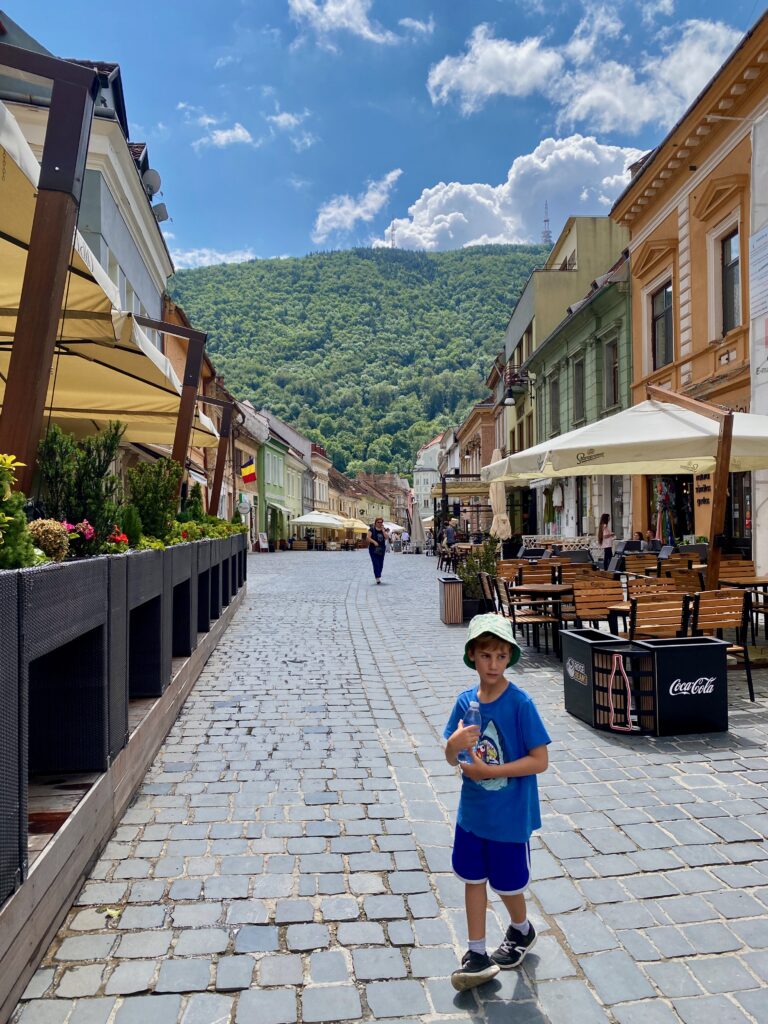
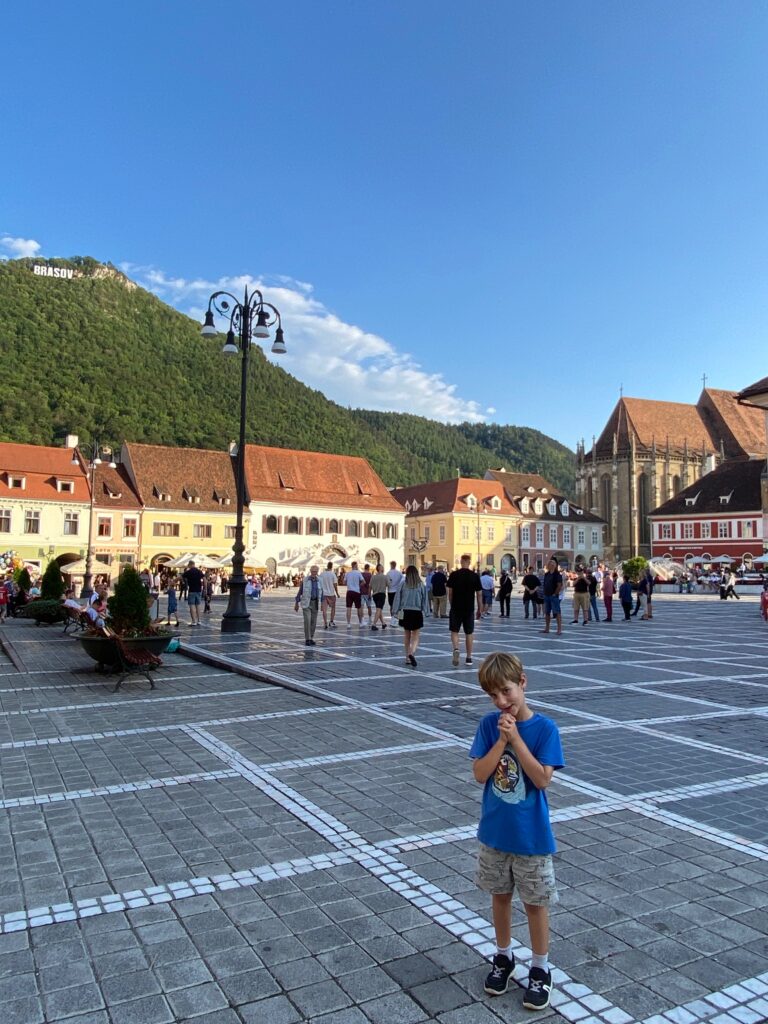
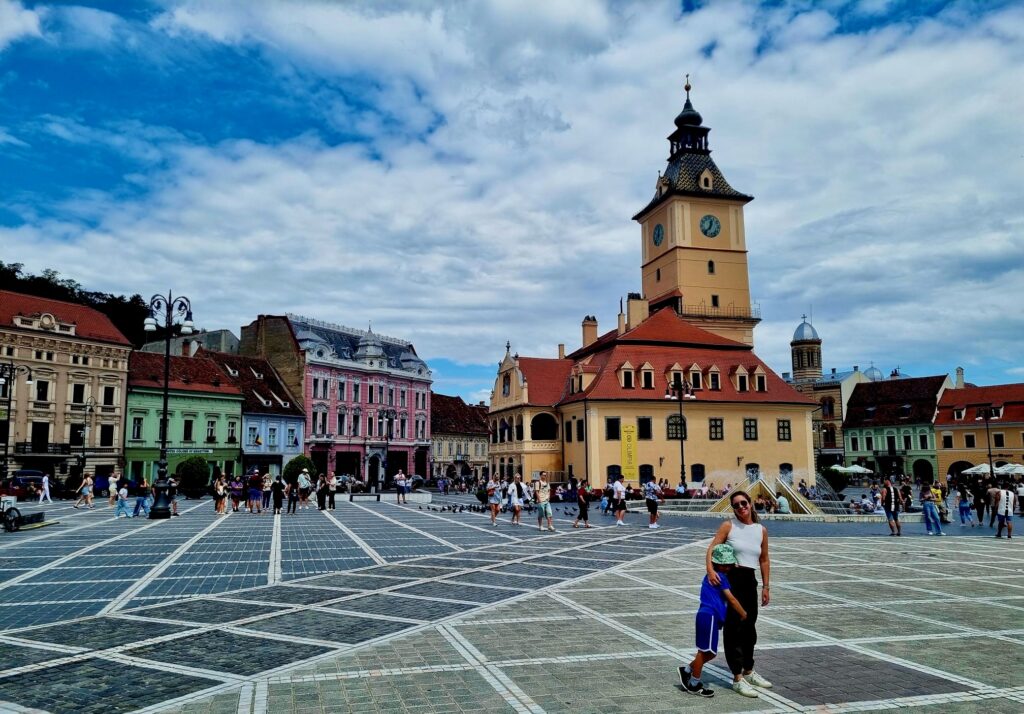
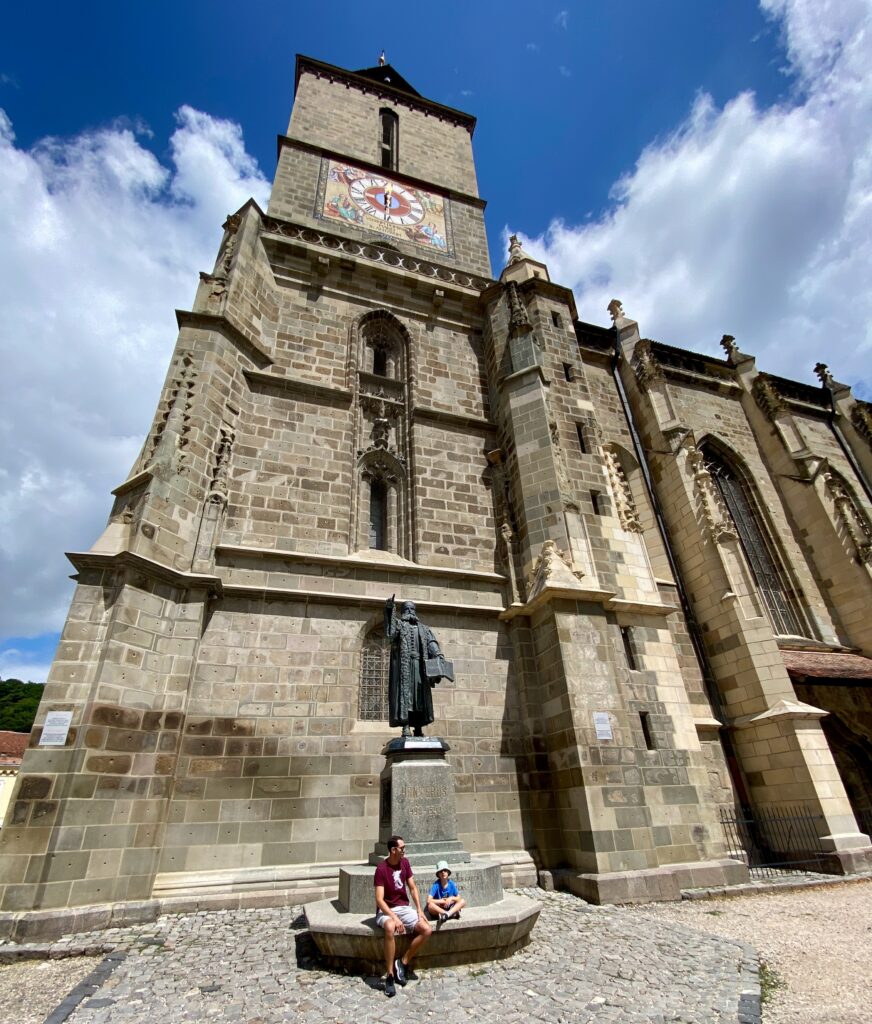
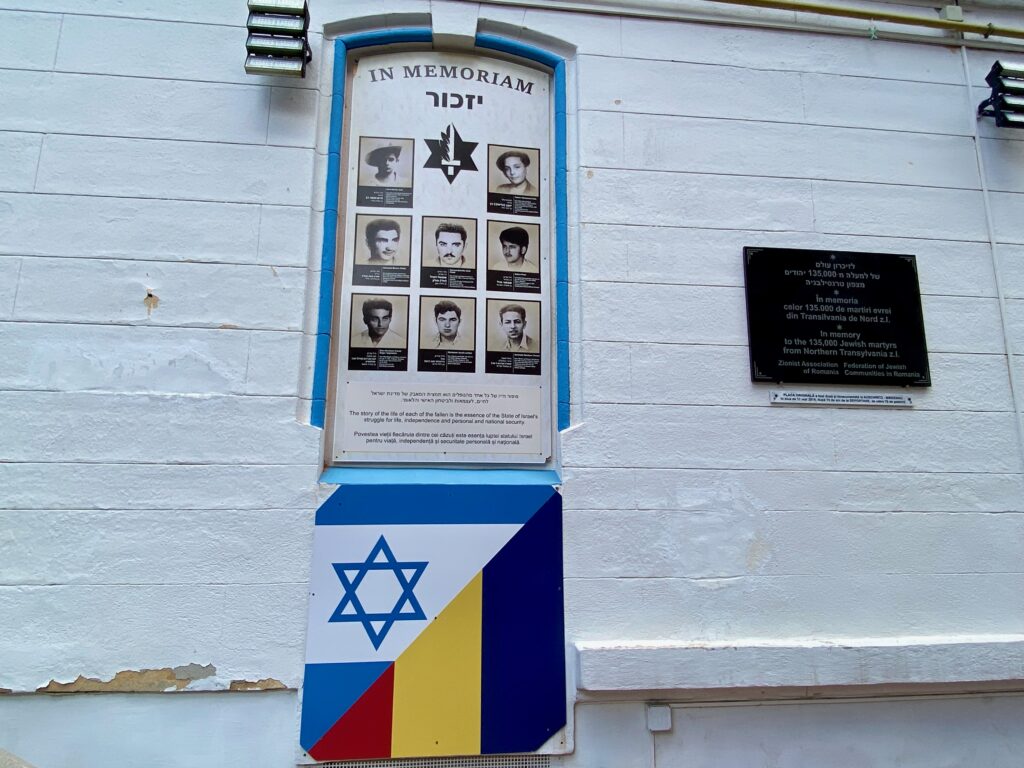
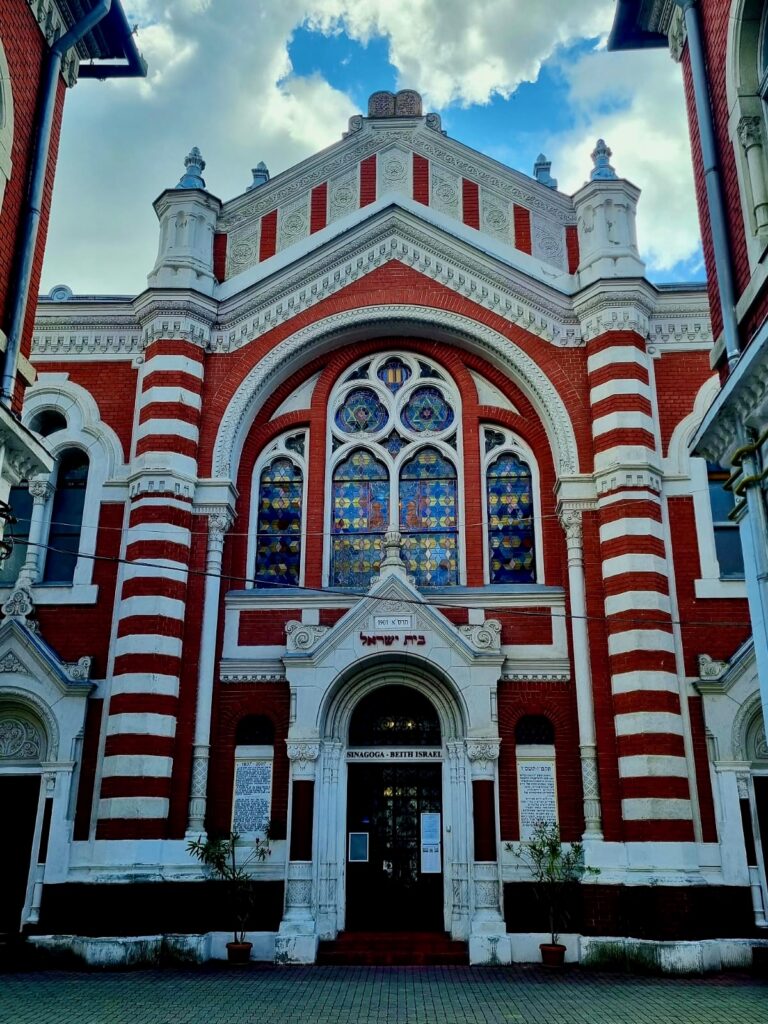
- Old Town Brasov: compact but charming, almost entirely pedestrianized, with appealing restaurants, cafes, and local crafts/homemade products for shopping. There are also some very nice park areas, such as Nicolae Titulescu Park and the area near the university (Parcul Sportiv). We also enjoyed visiting the Brasov Synagogue (Beit Israel) to learn more about the history, persecution, and resilience of Romania’s Jewish population.
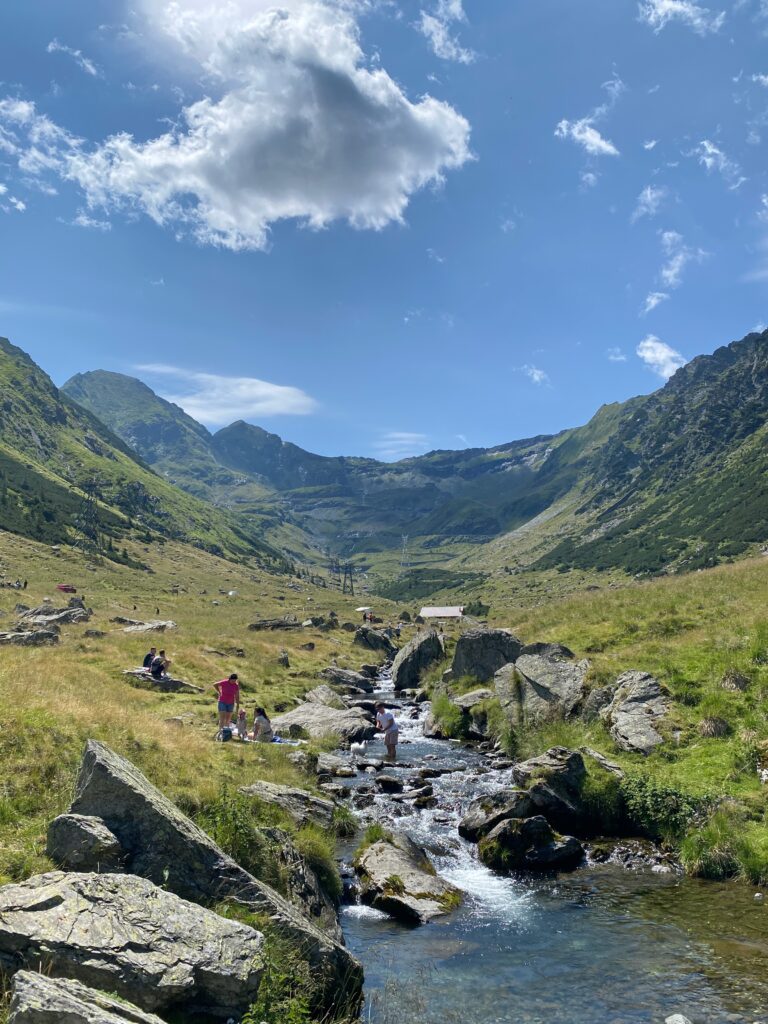
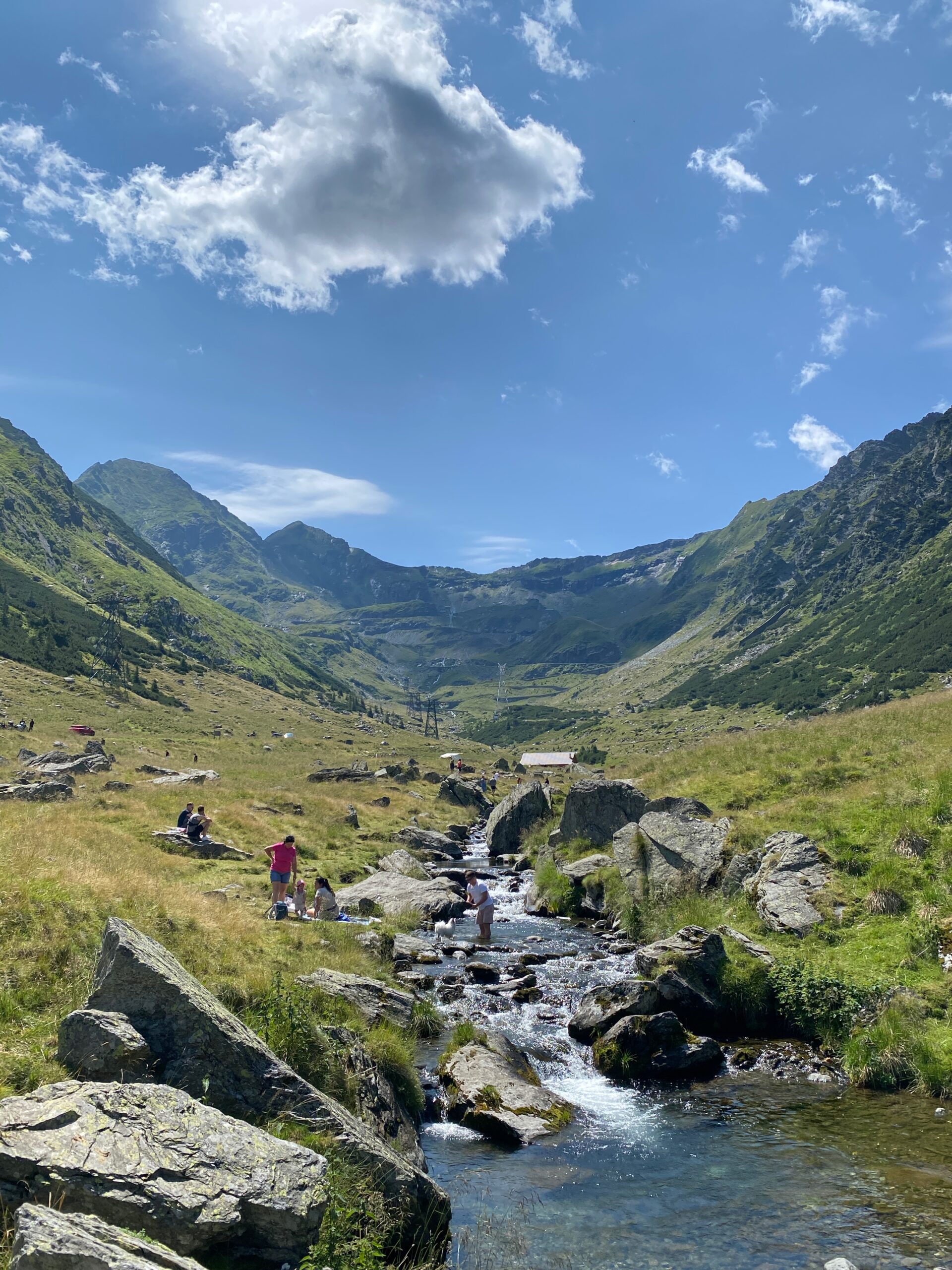
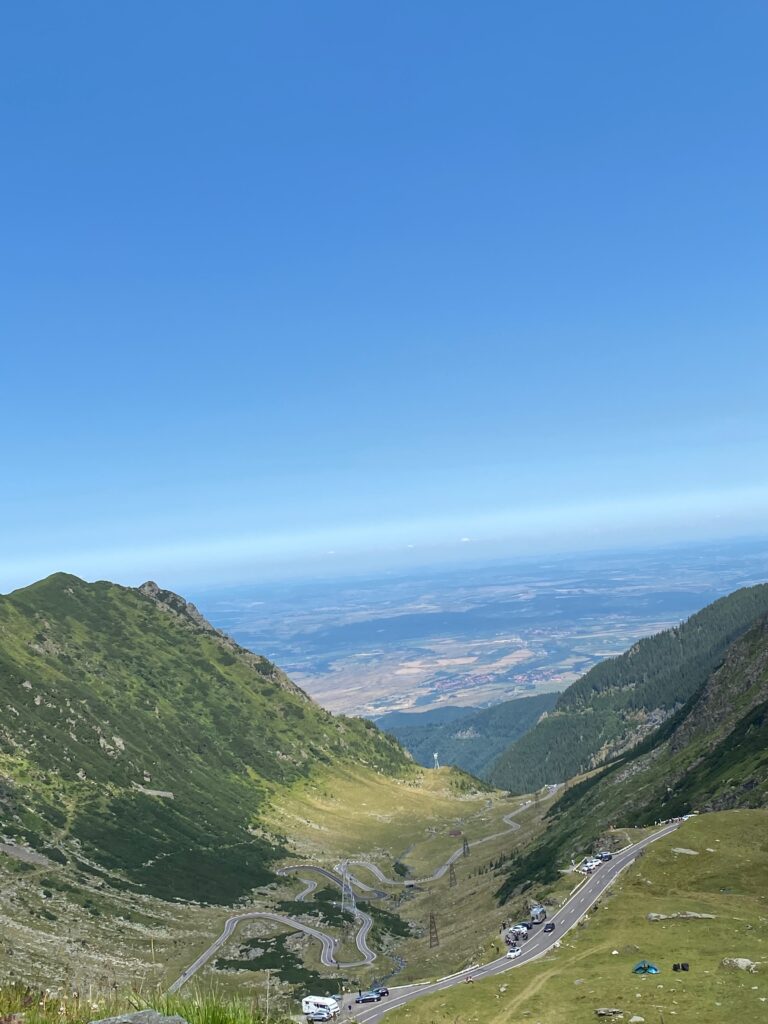
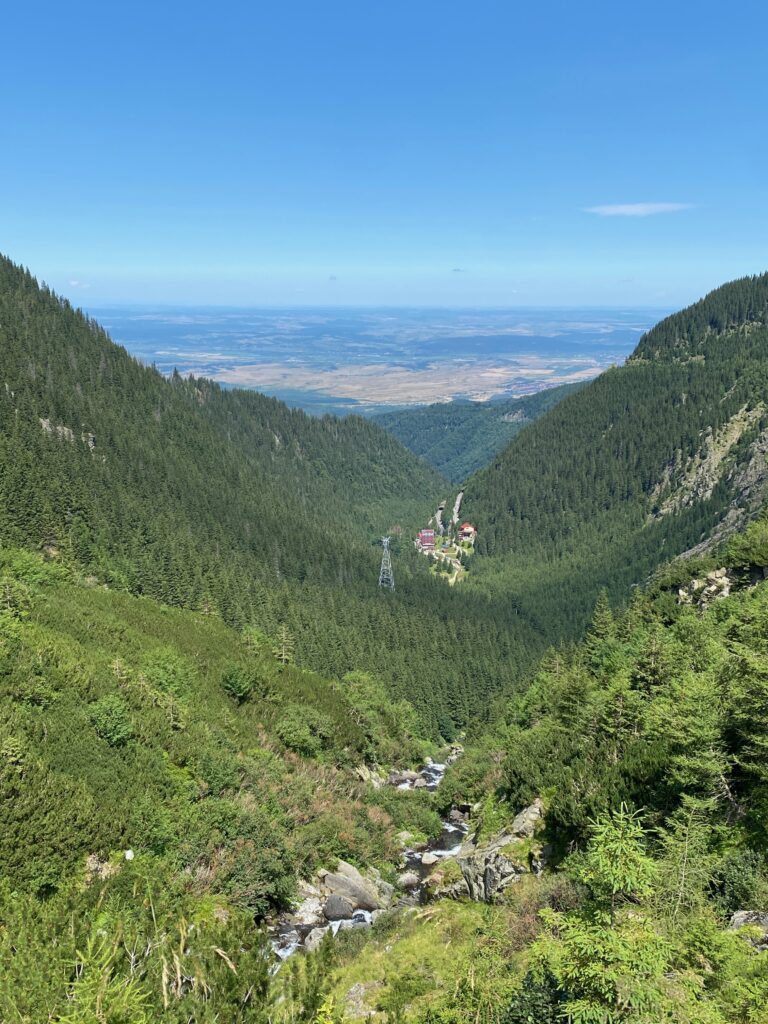
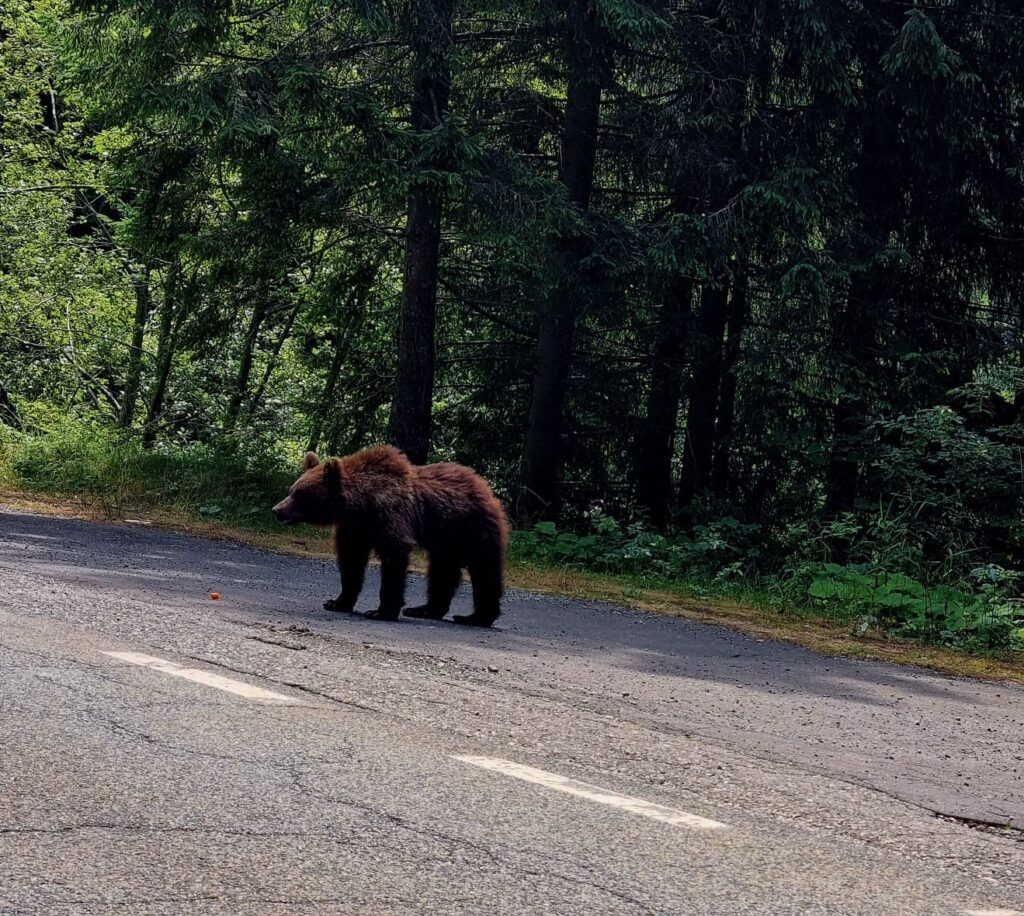
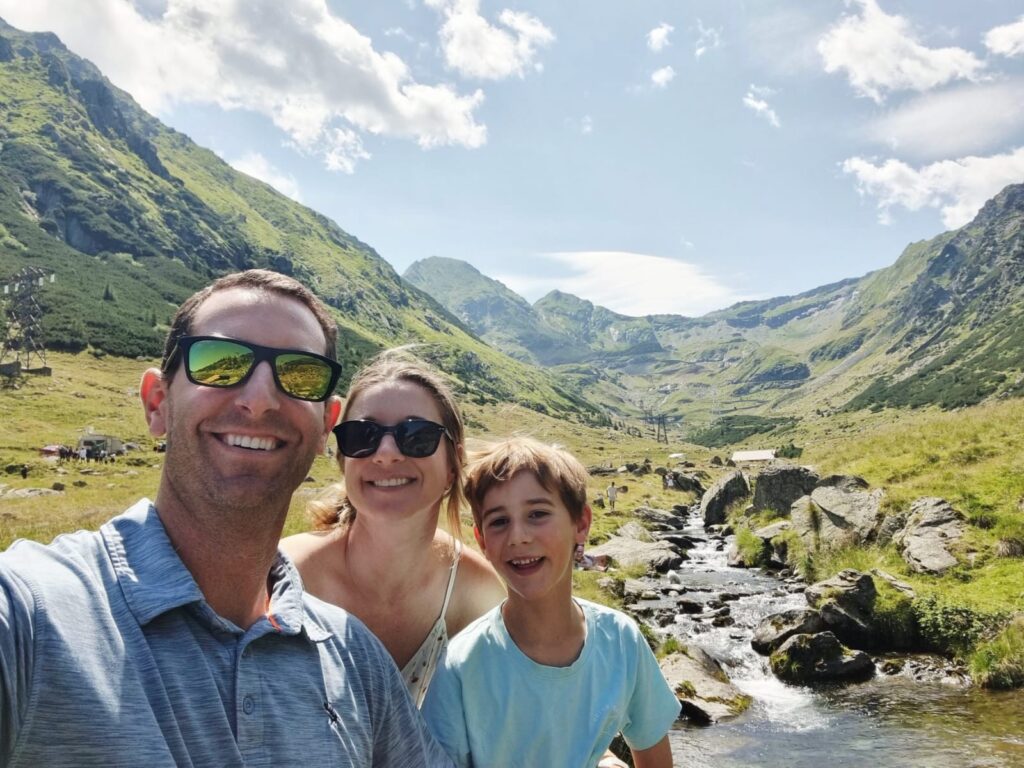
- Transfagarasan Highway (attempt): this daunting, cliff-hanging road snakes up the mountains between Brasov and Sibiu. Scenic but clogged in summer, we got stuck in a traffic jam halfway through. On the way down, we did have an up-close bear sighting, sadly of one begging for food from cars passing by.
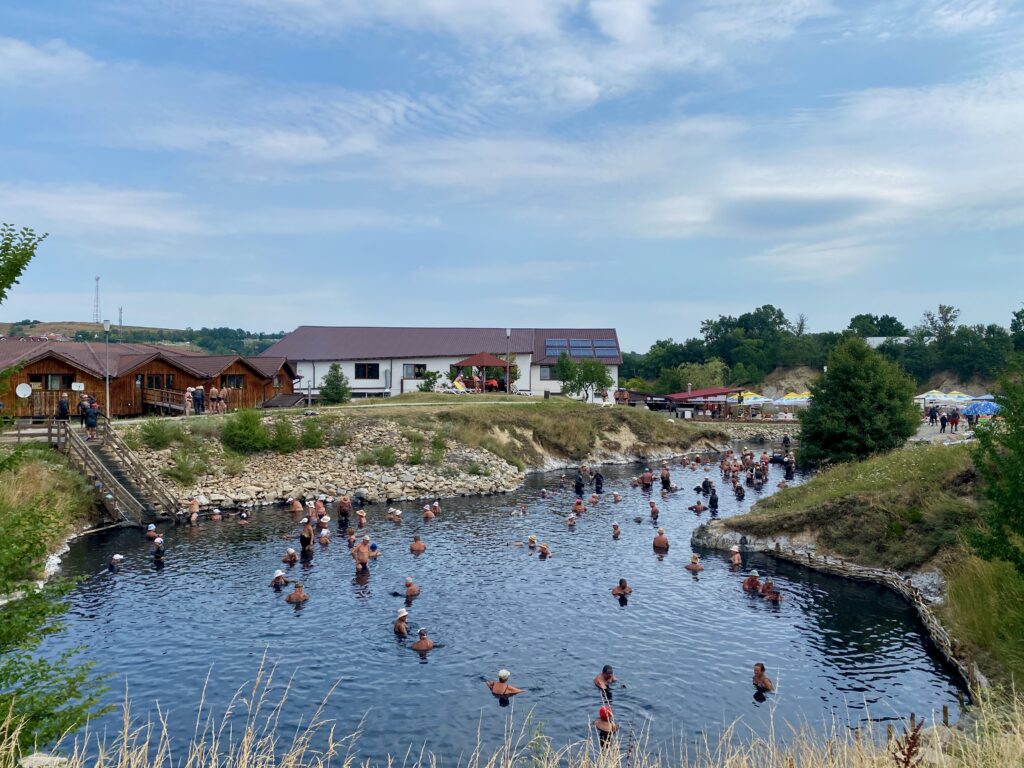
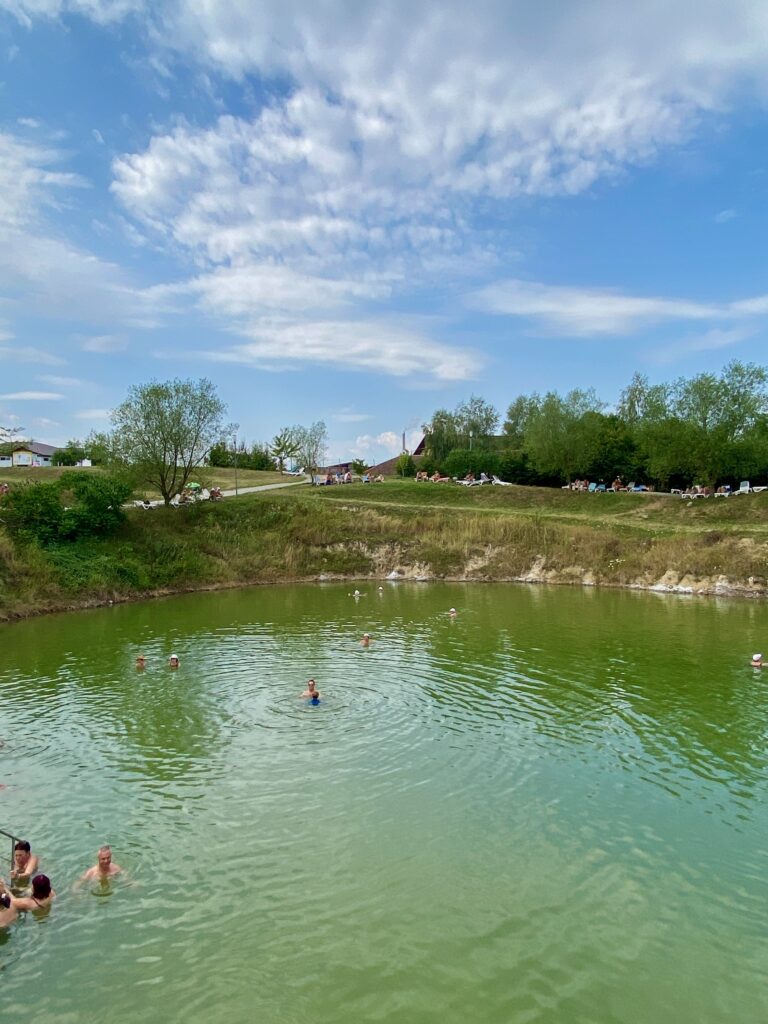
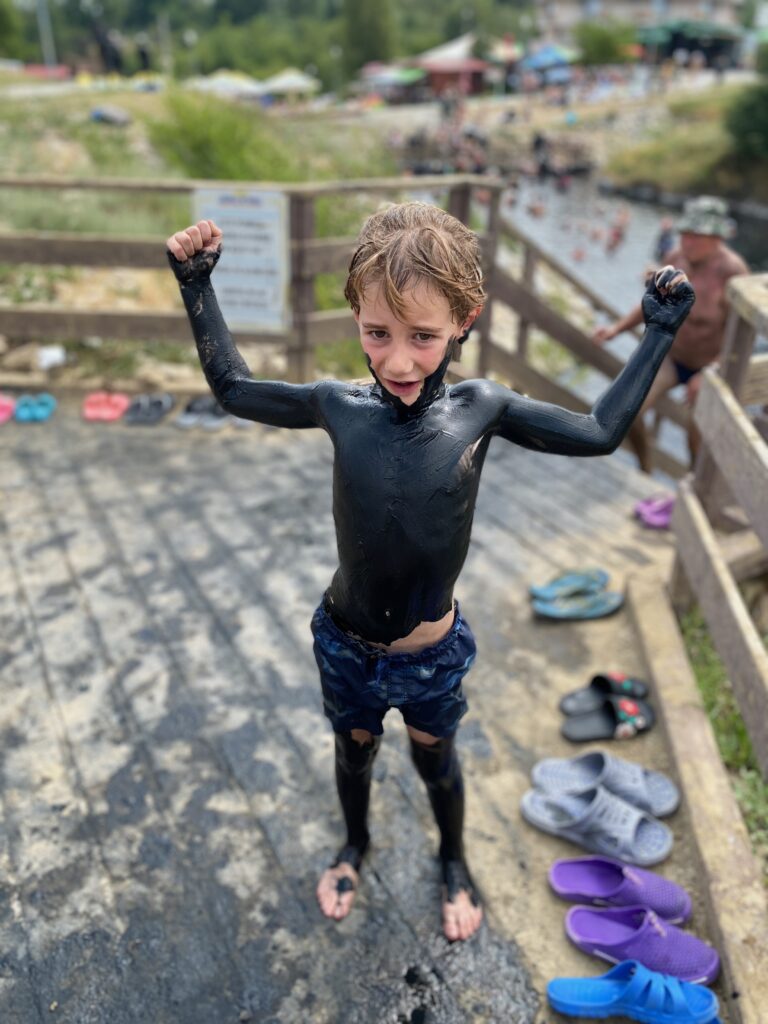
- Ocna Sibiului: natural salt and mud pools outside Sibiu, a refreshing and interesting Romanian experience in the summertime. The median age at the salt pools was probably 75 and of probably 2,000 people that day, there were very few foreigners visiting, let alone many English speakers.
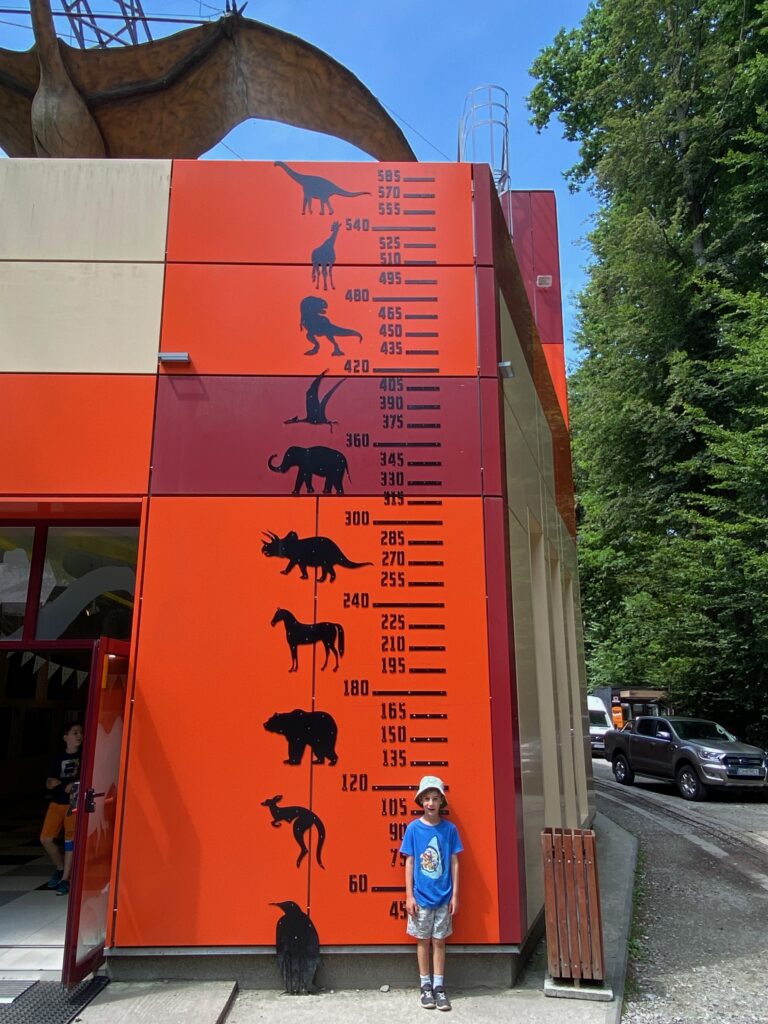
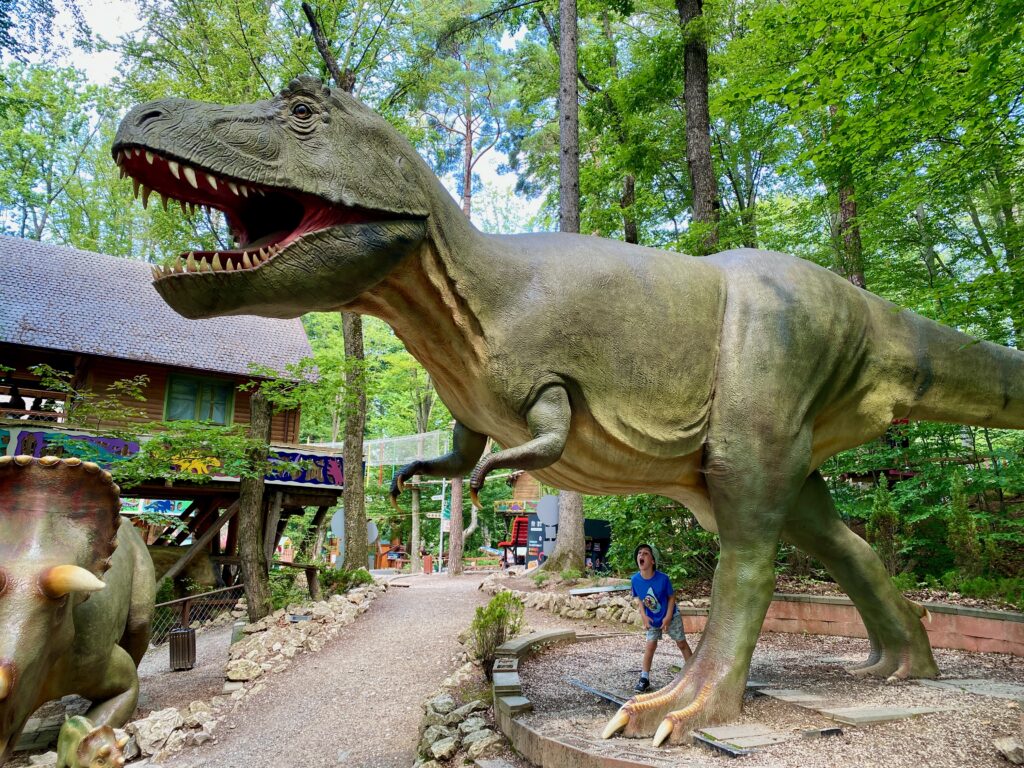
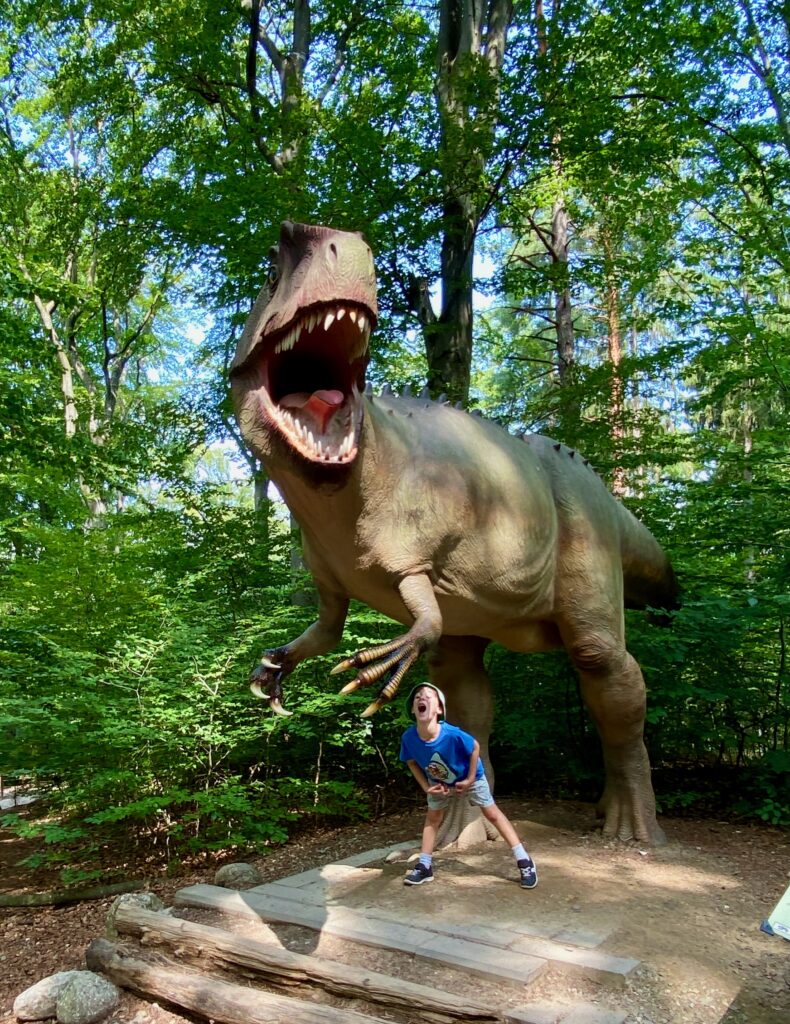
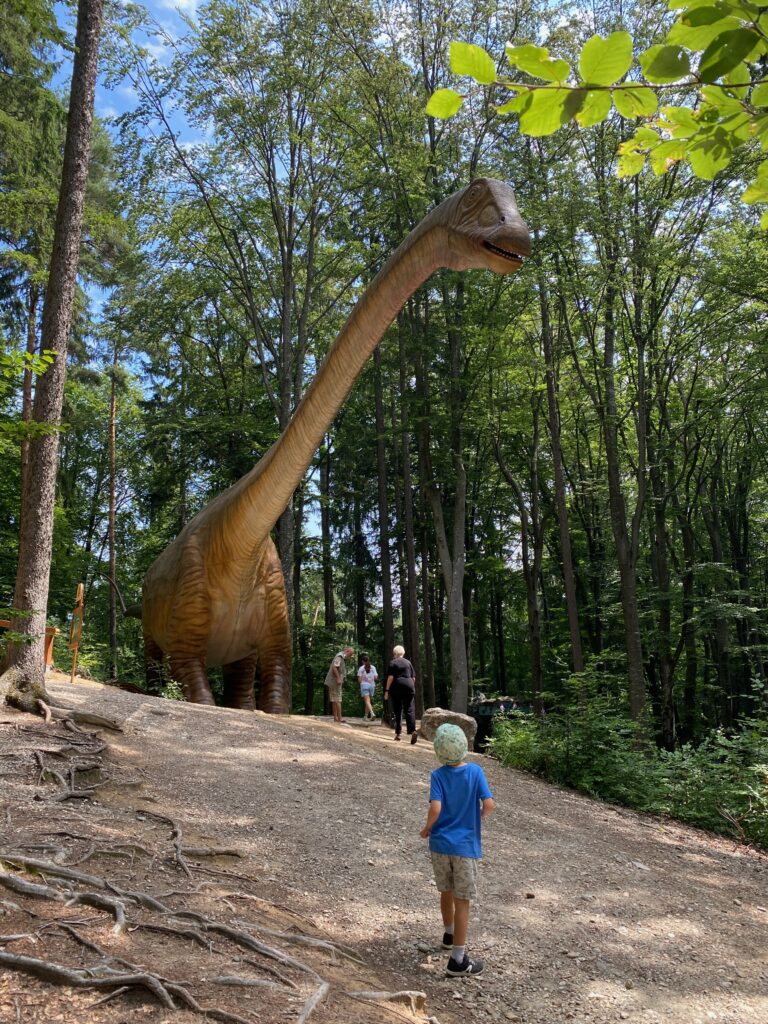
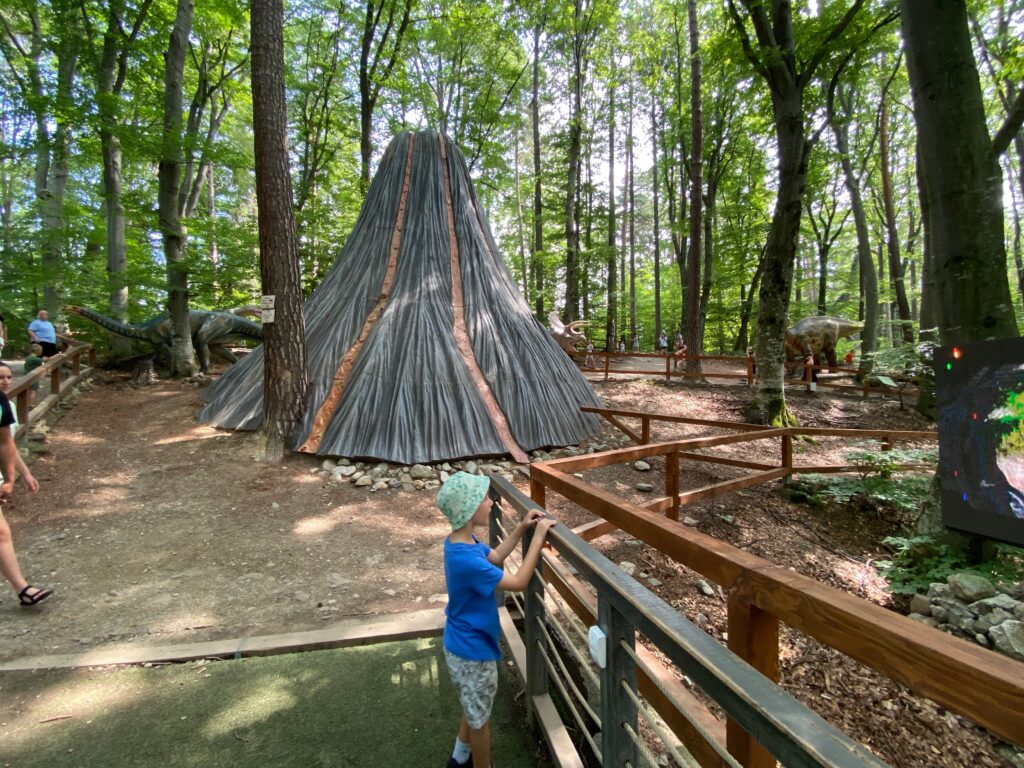
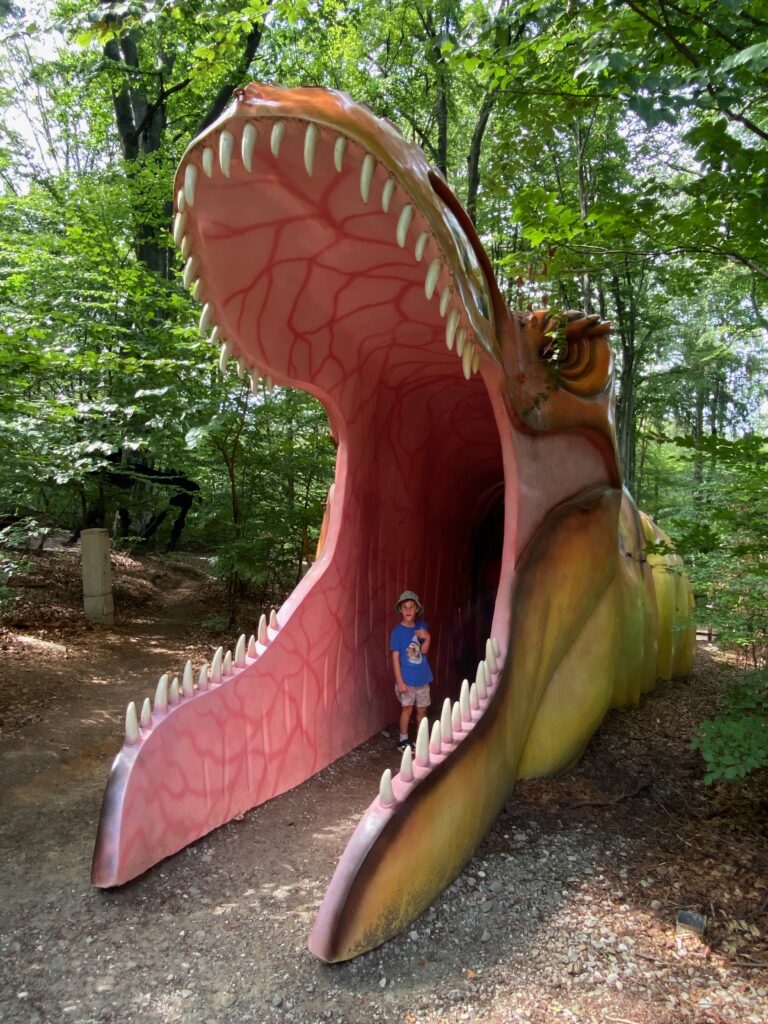
- Dino Park Rasnov: a big hit for any dinosaur fan in your family. Life-size models, animatronics, rides, and more in a forest setting a short drive outside of Brasov, in the town of Rasnov. There are also a lot of hiking and nature activities in this area.
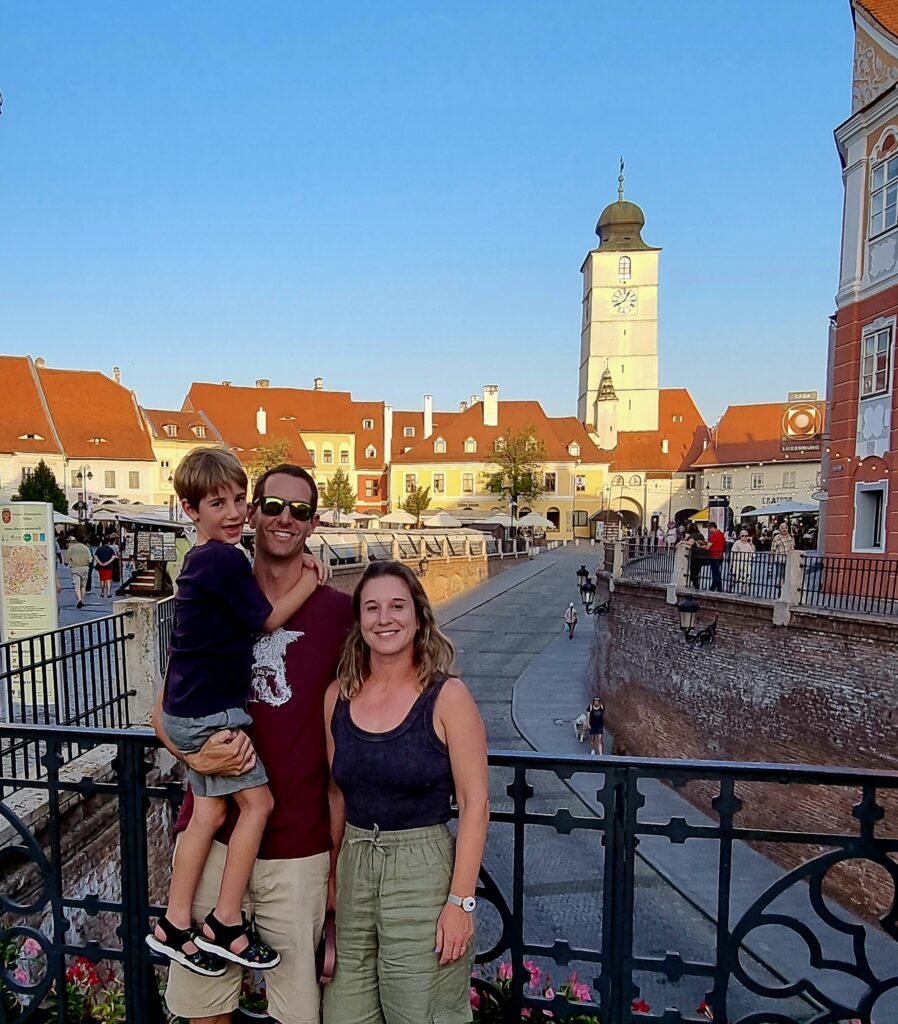
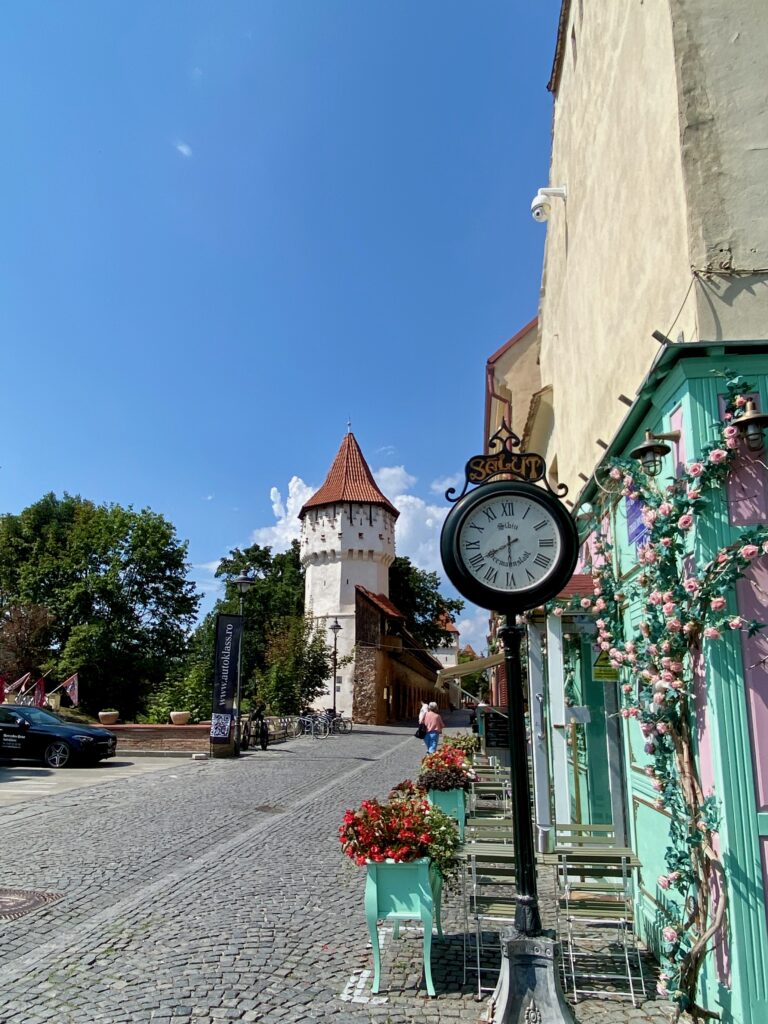
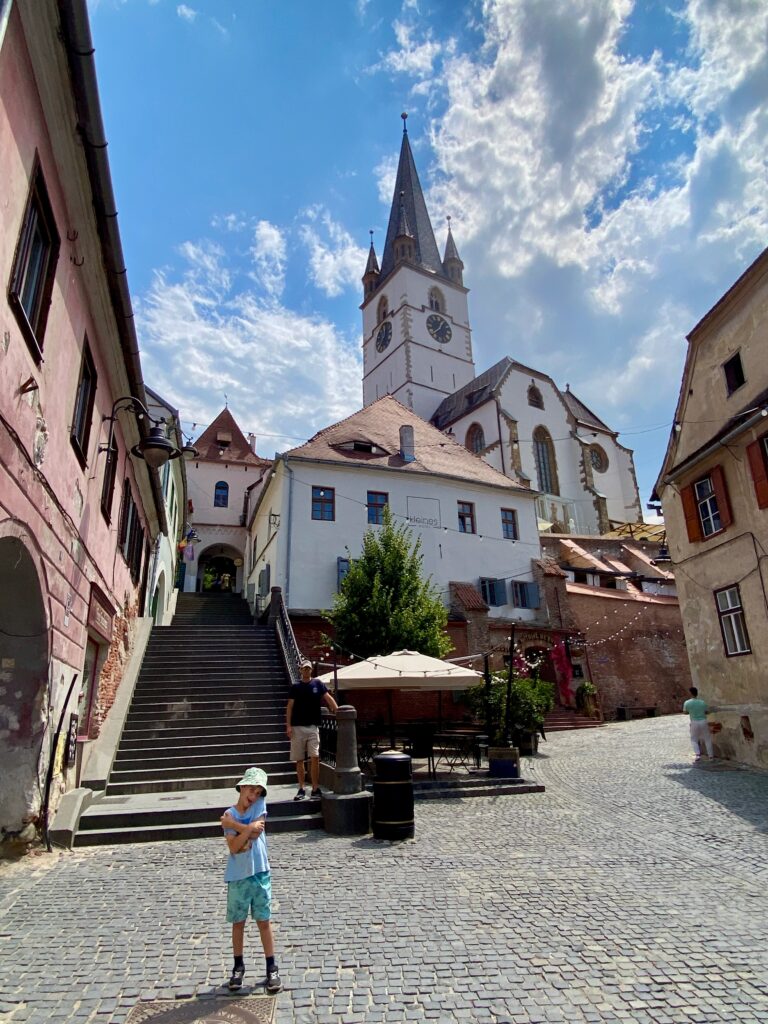
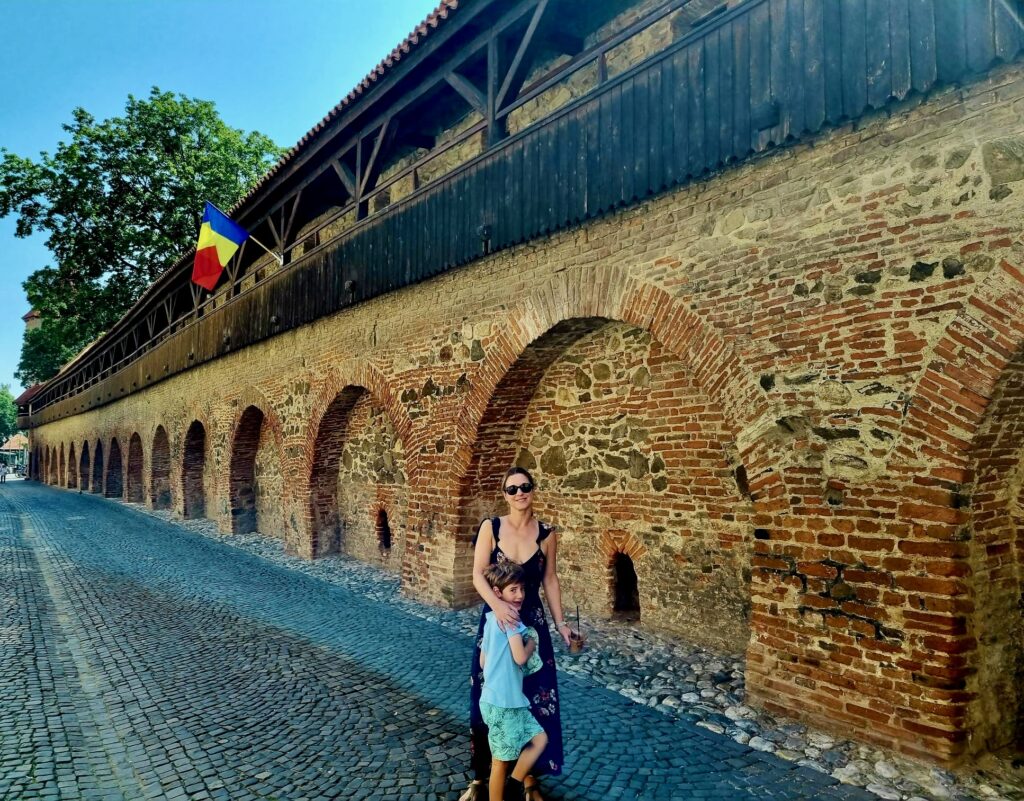
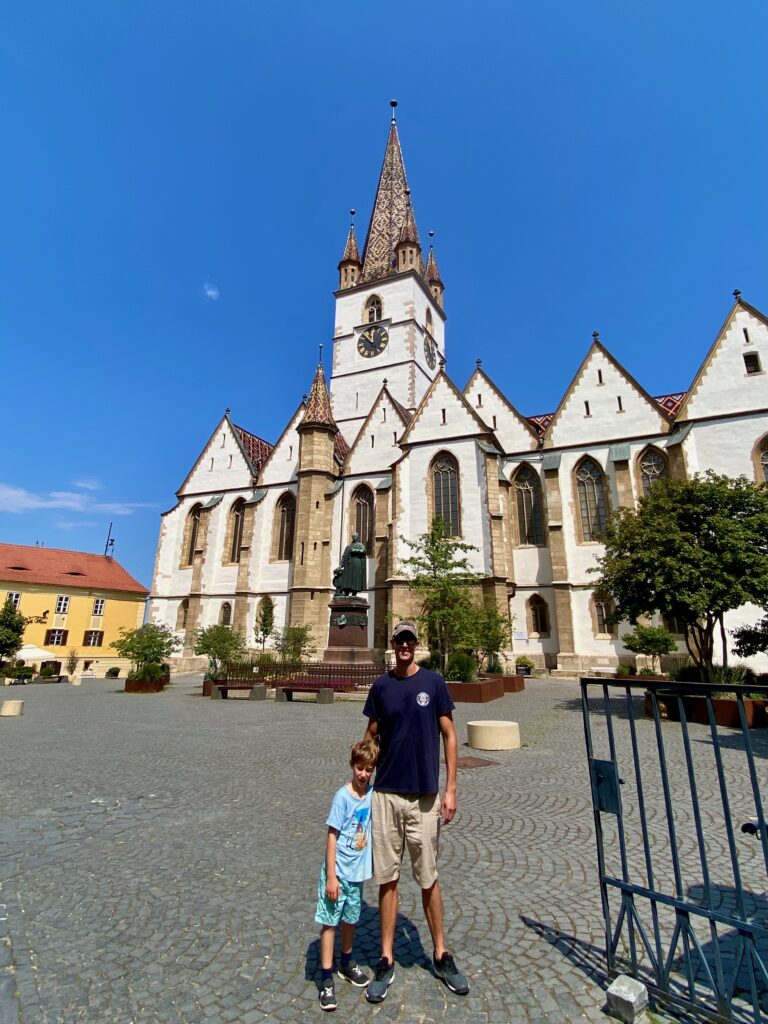
- Sibiu: Old Town Sibiu has several notable highlights, including Piata Mare (the Main Square), Piata Mica (the Small Square), Piata Huet (Huet Square), Strada Nicholae Balcescu (a main pedestrian thoroughfare), and Strada Cetatii (a street following one of main defensive walls and remaining fortified towers). We enjoyed learning about these and other landmarks on our city walking tour, learning more about the recurring history of conquerors and rulers, the German settlers, and post-war Communism and impacts of erasing and replacing history. When Romania joined the EU in 2007, financial investment and cultural capital infusions helped to rebuild the upper and lower old city (upper and lower). Sibiu is lovely for strolling the defensive walls and great meals (shoutout to Kombinat Gastro Brewery & Atrium) and plenty of gelato.
Mulţumesc, Romania!
Lessons Learned:
- Rather than staying only in Brasov and Sibiu, we would’ve added some time at a small hotel with spas to find cooler temps and enjoy nature more, particularly near the Transfagarasan highway.
- Despite being a mountainous region, Transylvania was hotter than expected in late July, which led us to escape to water parks and pools rather than doing as much hiking and nature activities. Spring or fall might be a better time to visit.
- For lodging, Booking.com was much better than Airbnb in terms of quality, amenities, and hosting experience. Accommodations with air conditioning are absolutely essential in the summer months: be sure to confirm that air conditioning is available throughout the unit (many listings will say they have air conditioning but it might be only in a common area or in one bedroom).
- Our roadtrip totaled almost 2300 kilometers (about 1415 miles) through Bulgaria and Romania. We started and ended in Sofia, due to the direct flight to/from Valencia, and to avoid a hefty one-way rental car fee (depending on the country, it can be quite steep in Europe). It was more stressful driving in Romania though, with very few major highways. The roads don’t bypass small towns or cities so you constantly have to adjust your speeds and the traffic gets very backed up through touristic areas, particularly around the Transylvania castles. Driving seemed particularly aggressive: we saw numerous bad accidents caused by excessive speed and reckless passing.
- Smoking is everywhere and hard to avoid, even sometimes indoors at restaurants when windows are open (technically prohibited).
- Many attractions and grocery stores are open on Sundays, which helps with planning itinerary. Both countries are quite affordable when it comes to lodging, restaurants, and groceries (though tourist attraction ticket prices run high) and there were significantly fewer crowds in the capitals and other tourist destinations (e.g. Rila Monastery, Veliko Tarnovo, Transylvania) compared with western Europe in summer.