For this summer’s extended travels (also known as: escape Valencia’s oppressive heat), we decided to venture east to explore more of Eastern Europe, seeking less humidity, fewer crowds, and to learn more about this vast, diverse, and complex region to which we weren’t exposed very much growing up in the US. This summer, we’re slow-traveling and road-tripping through Bulgaria and Romania in the month of July. Thanks to our Bulgarian friends in Valencia, Kathy & Emilia, for their essential recommendations and tips for our Bulgaria itinerary. We gratefully noticed minimal tourists and crowds compared with other capital cities in Western Europe. As fortunate as we are to live in a relatively low-cost city, Sofia is even more affordable. It’s still on the Leva currency and in 2026 it will transition to the Euro.
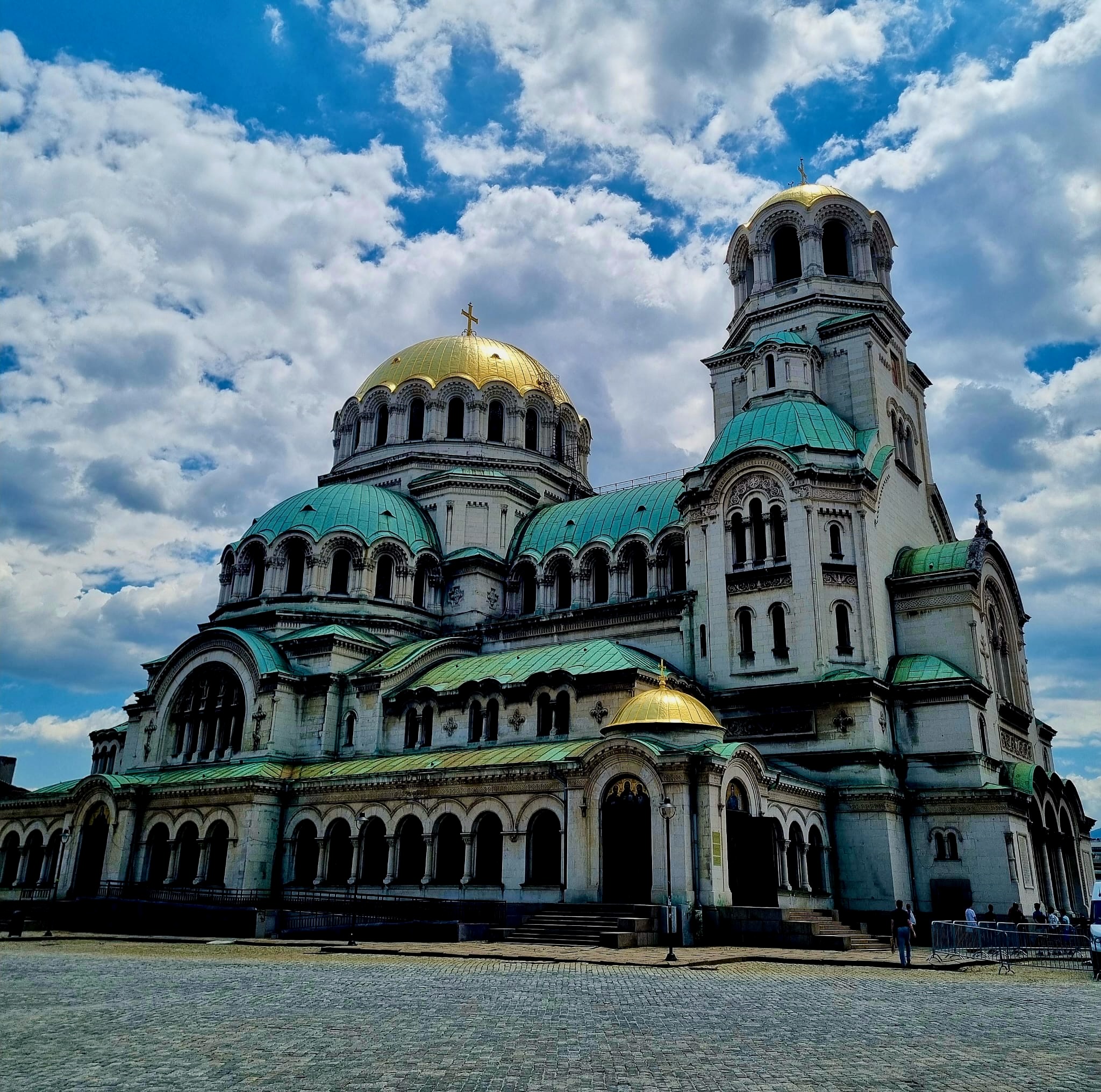
The capital city with 1.3 million people, Sofia is known for beautiful religious buildings, including the Orthodox Christian church St. Alexander Nevsky from the 19th century, built when the country transitioned to Bulgarian rule after 500 years under the Ottoman Empire. In the old town, there’s a 4th century church, Ottoman-era mosque, and an early 20th century synagogue spanning 1500 years of history within several blocks of each other. In fact, the stunning Sofia synagogue is the largest Sephardic synagogue in Europe; the Sephardic branch of Jews came here after expulsion from the Iberian peninsula.

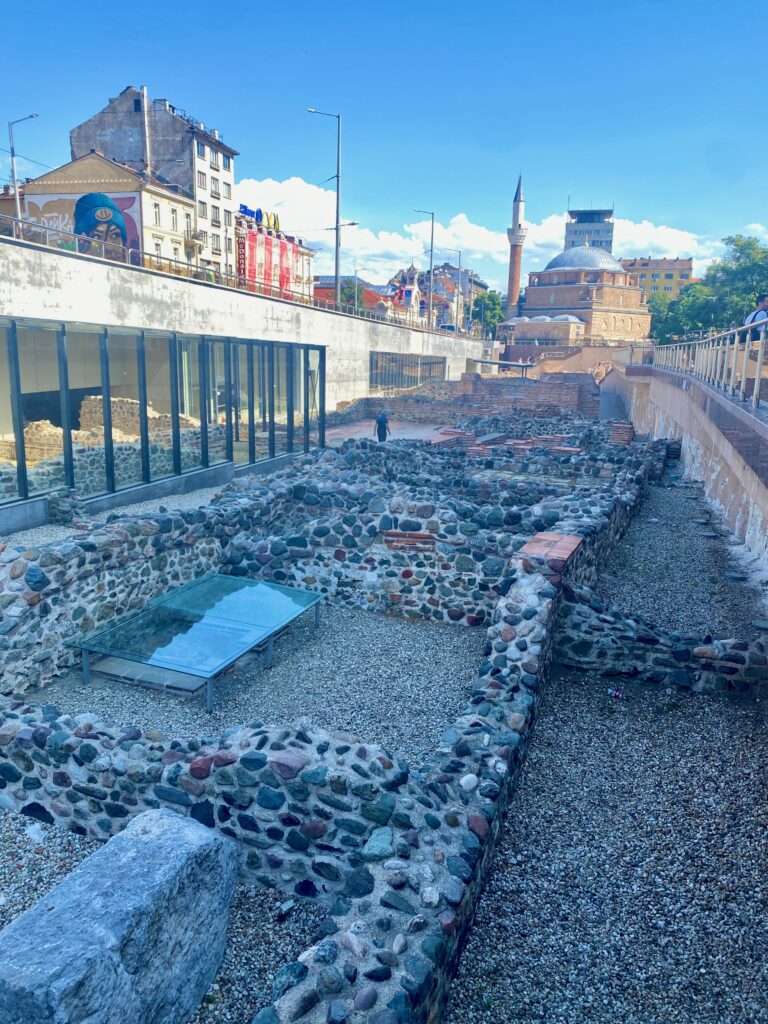
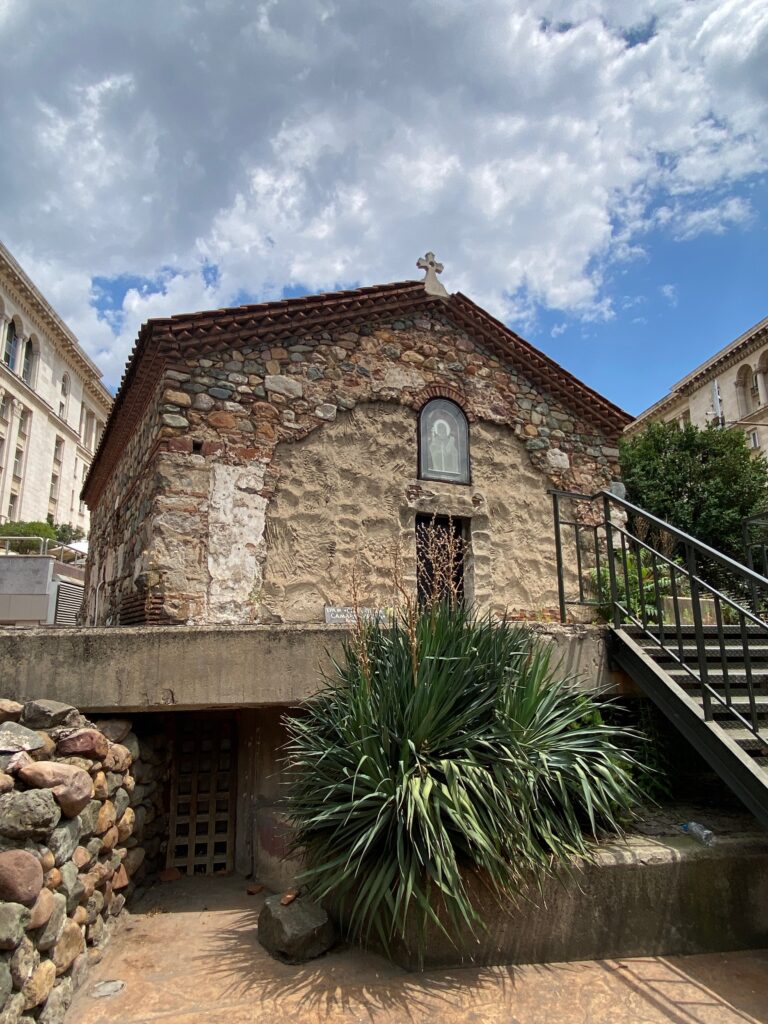
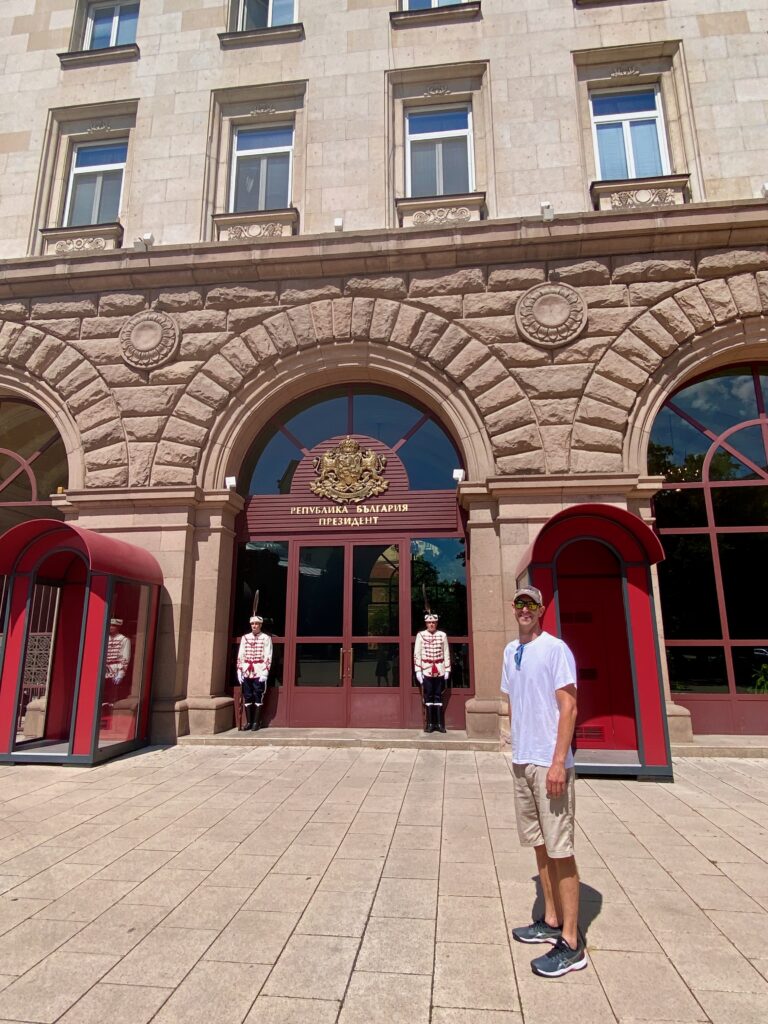
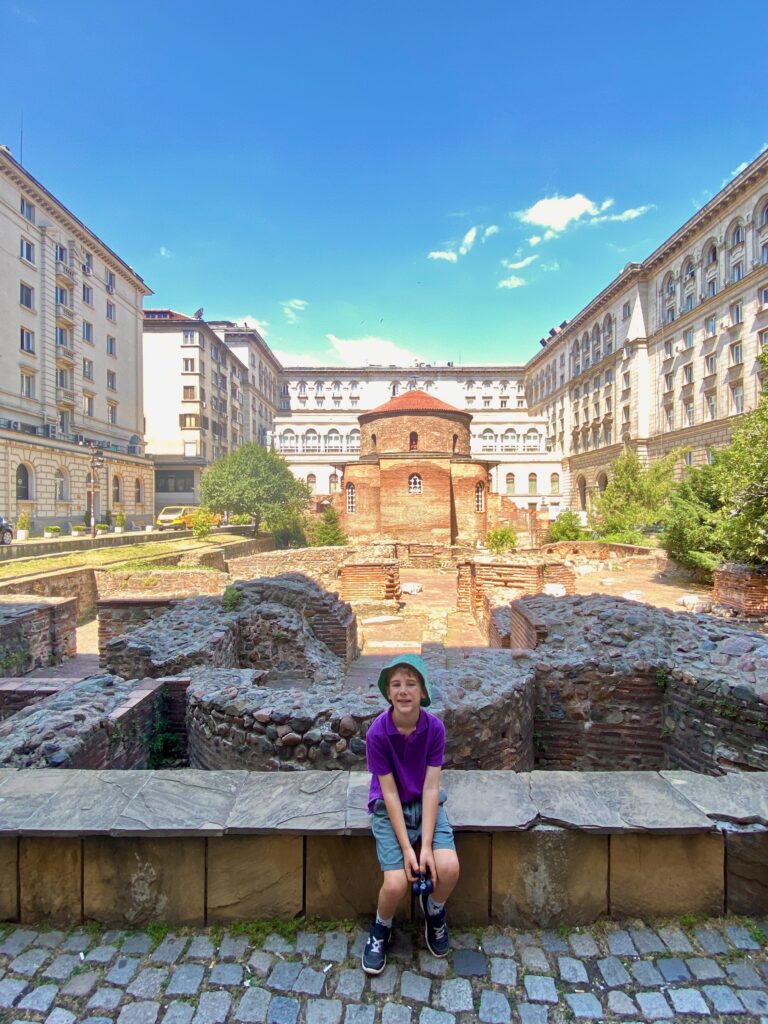
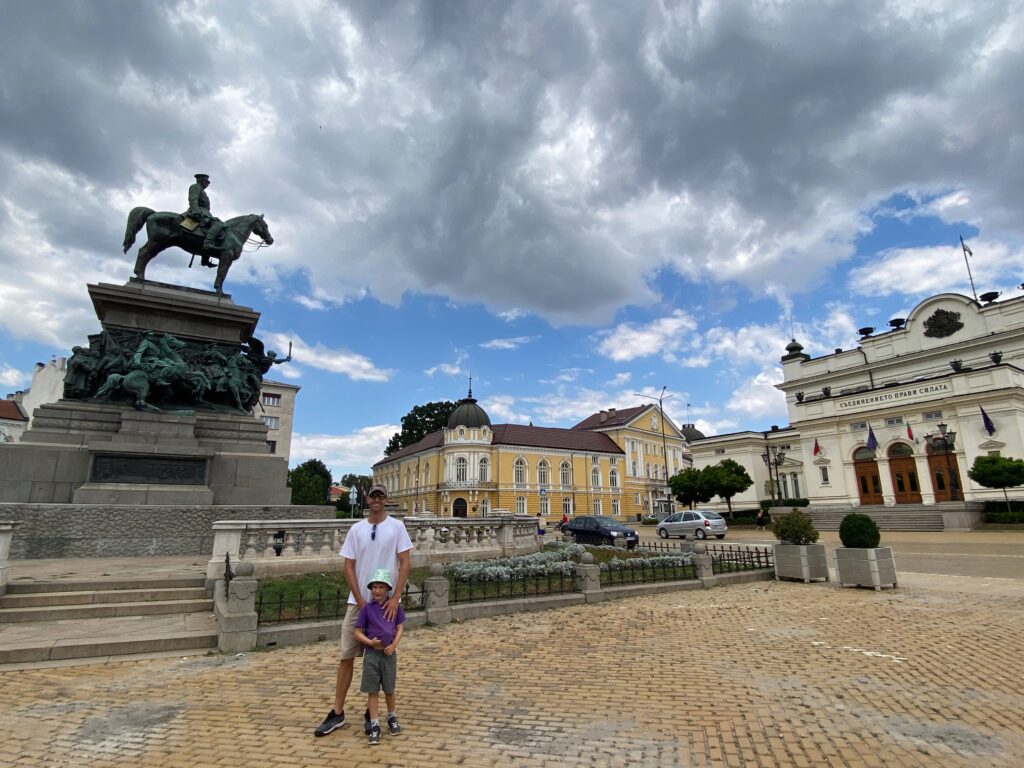
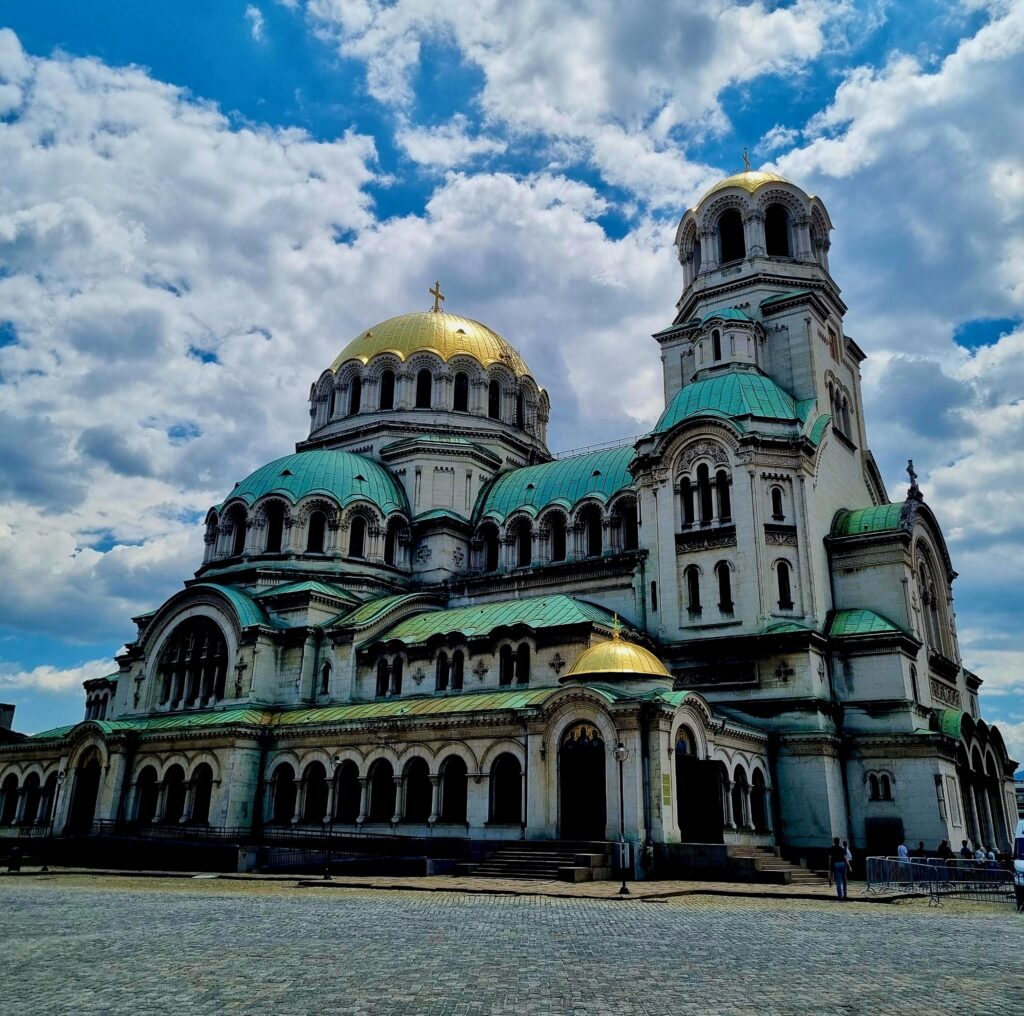


As we often like to do when exploring a new city, we signed up for an excellent walking tour with Free Sofia Tours to learn some of the history and see the main highlights. These free walking tours usually bring an eclectic mix of travelers from around the world, making for intriguing commentary and conversation. On the tour we visited several highlights, including:
- Roman ruins of Serdica, former name of Sofia (Ancient Serdica Cultural Complex)
- Sofia Synagogue
- Banya Bashi Mosque
- Basilica Sveta Sofia
- Saint George Rotunda Church (4th century)
- St. Alexander Nevsky Cathedral
- Vitosha Boulevard (pedestrian-only shopping and strolling street)
- City Garden with fountains
Sofia has a number of pretty parks and gardens, such as the City Garden, Crystal Garden, and the expansive park complex next to St. Alexander Nevsky Cathedral, so with the good weather we spent a lot of time exploring those areas and picking up a quick, easy lunch to enjoy and relax in the park.


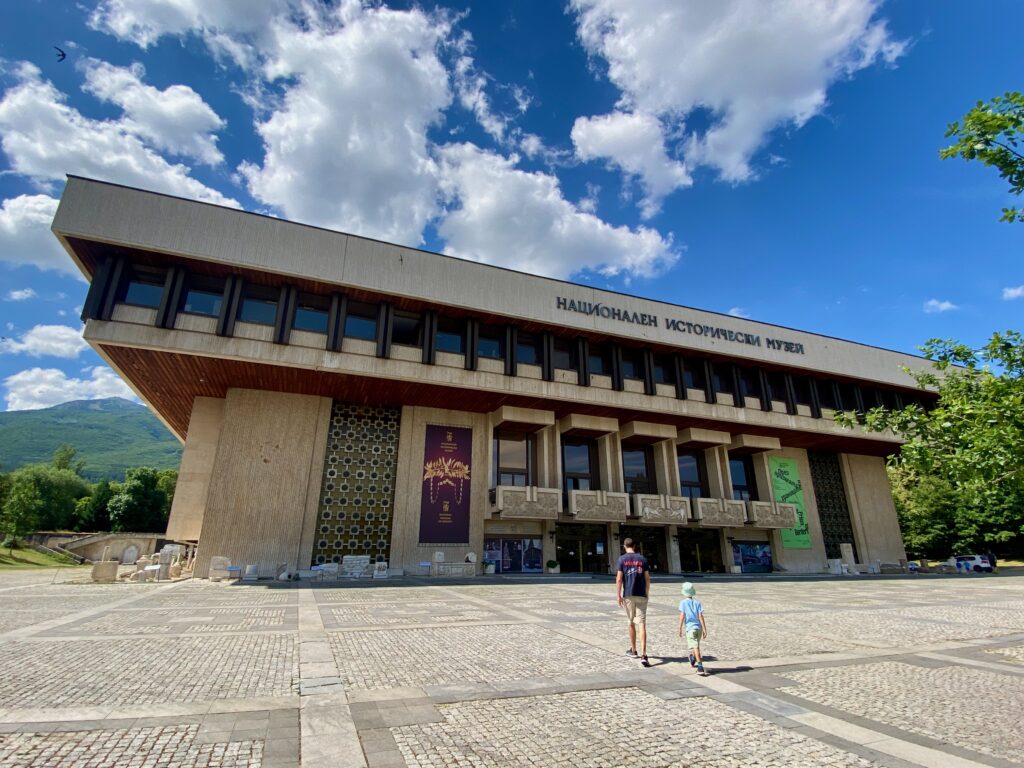
Our second day in Sofia, we explored other sites on our own with the rental car. Boyana Church, an 11th century church with incredibly preserved Byzantine frescoes in a style that predates the Italian renaissance by almost 200 years. Right down the hill, the National Museum of History (a gigantic, Communist-era block of a building), features a massive collection of Bulgarian arts, artifacts, examination of historical periods, and more. For lunch on the drive back into the city, we went to EatBox Food Park, an outdoor food court with many tasty, casual options.


Dave spent some time visiting the Military History Museum, with 1,000+ years of Bulgarian military history, particularly focused on 19th-20th century conflicts. Meanwhile I took Jacob by metro to the hands-on science museum for children, Muzeiko.


It was pretty hot in Sofia so we decided to hit the local water park, Vazrazhdane, just a 10-minute walk from our Airbnb.


The food trends healthy Mediterranean, likely influencing/being influenced by neighboring Greece, with lots of colorful salads, dips and spreads, and flavorful meats. For a folky, family-friendly experience we ate at Hadjidraganov’s Cellar for traditional Bulgarian fare and for a parents’ night out, we enjoyed the more upscale Cactus restaurant. Some tasty Bulgarian dishes we tried along the trip were banitsa (flaky pastry made with layers of filo dough, eggs, and cheese, sometimes with spinach or pumpkin); shopska salad (similar to a Greek salad, with cucumber, tomato, onion, papper, parsley, and grated sirene cheese); tarator (yogurt-based cold soup with cucumber, dill, garlic, and walnuts); moussaka (grilled minced meat with spices, shaped like a sausage); and lyutenitsa (deep-fried dough balls, often served with jam, honey, or cheese). Given the warm temps, we didn’t eat as many heavier dishes or hearty stews, though those are also popular menu staples. Shout-out again to our friend Kathy for providing us a detailed list and description of Bulgarian menu options in both English and in the Cyrillic script, which proved quite helpful as we ate our way through Bulgaria.

Next stop on the itinerary: Rila Monastery and the Melnik wine region of southwestern Bulgaria.